One Spine Chiropractic & Physiotherapy Centre TTDI
Shockwave Therapy KL for Selected Heel, Shoulder, Knee and Tendon Pain
Shockwave therapy in KL may be considered for selected heel pain, shoulder tendon pain, knee pain, tennis elbow, and sports-related muscle or tendon pain. At One Spine TTDI in Kuala Lumpur, we use an assessment-first approach by checking your spine, joints, posture, movement chain, loading pattern, and red flags before deciding whether shockwave therapy may be suitable.
Who This Page Is For
This page is for patients searching for shockwave therapy in KL who want a clear explanation before booking. One Spine is located in TTDI, Kuala Lumpur, and supports patients from TTDI, Damansara, Mont Kiara, Hartamas, Kepong, Bangsar, and nearby PJ areas.
We avoid treating shockwave as a shortcut. The main question is whether the painful tissue is suitable for shockwave, whether other body areas are contributing to the overload, and whether medical referral is needed first.
What Is Shockwave Therapy?
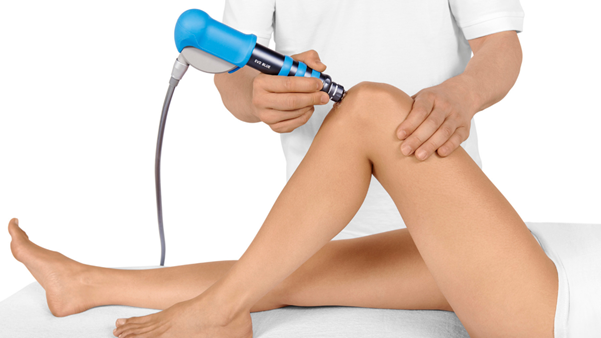
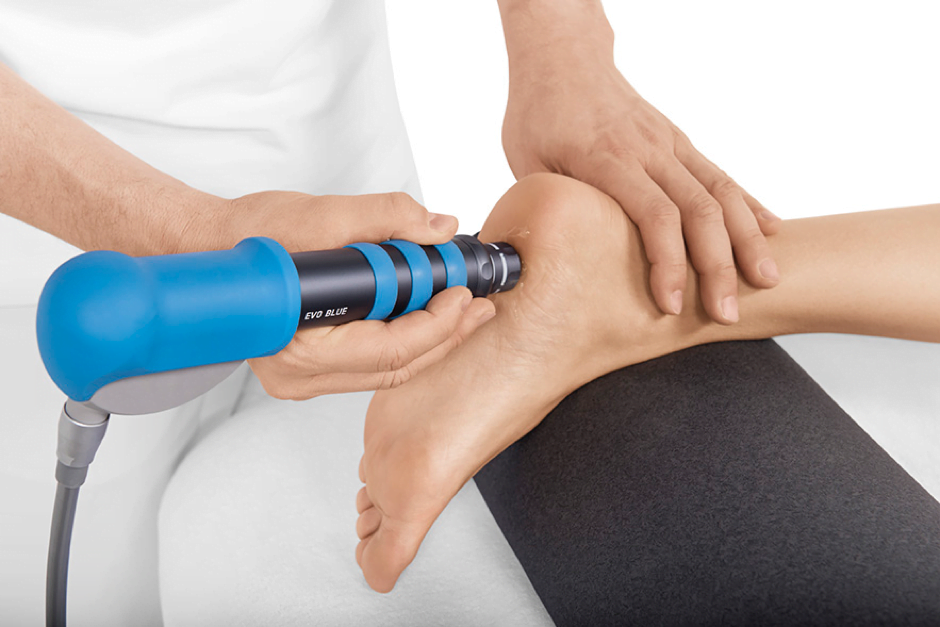
Shockwave therapy uses acoustic pressure waves over a targeted area. In selected cases, it may help support tissue healing response, reduce sensitivity, and improve tolerance to movement or loading. It is commonly considered for some tendon, heel, and muscle-related pain patterns.
It is not suitable for every pain problem. At One Spine, we first check whether your pain pattern, tissue irritability, medical history, and movement findings make shockwave therapy a reasonable option.
What Does the Research Say?
Shockwave therapy has real but modest research support for selected problems such as plantar heel pain and tennis elbow, but results vary between patients. A Speed et al. systematic review on plantar heel pain and a Staples et al. randomized trial on lateral epicondylitis show why expectations should stay realistic.
We factor this evidence into the assessment rather than assuming shockwave therapy will be suitable for every painful heel, shoulder, knee, elbow, or muscle problem.
Conditions Where Shockwave May Be Considered
Shockwave therapy in KL may be considered when pain keeps returning despite rest, massage, stretching, or short-term relief. Suitability depends on assessment findings.
- Heel pain or plantar fasciitis-like symptoms
- Shoulder tendon pain or rotator cuff-related discomfort
- Knee tendon pain or pain with stairs and squatting
- Tennis elbow or forearm tendon pain
- Sports-related muscle or tendon strain
- Recurring tight spots linked to overload or poor movement control
- Selected chronic tendon pain cases where loading tolerance needs support
What Our Chiropractor Assesses First
Before recommending shockwave therapy, our clinical team checks why the painful area may be irritated and whether shockwave is appropriate for your condition.
- Your pain history, activity level, and previous treatment response
- The painful area, nearby joints, spinal joint mobility, and movement pattern
- Posture, walking, squatting, lifting, desk work, or sport-related loading habits
- Muscle tightness, weakness, guarding, or poor movement control
- Signs of tendon overload, heel irritation, shoulder impingement patterns, spinal joint restriction, or subluxation patterns
- Medical history and red flags that may make shockwave unsuitable
- Whether chiropractic care, physiotherapy support, rehabilitation, or referral is more suitable
Why We Look Beyond the Painful Area
From a chiropractic perspective, tendon or soft tissue pain may be affected by how the surrounding joints, spine, posture, and movement habits share load. The painful area may be irritated, but it may not be the only reason pain keeps returning.
Heel pain may be influenced by ankle stiffness, calf tension, hip control, walking pattern, lower back mechanics, footwear, and activity load. Shoulder tendon pain may be linked to shoulder blade control, neck posture, thoracic stiffness, desk work, or gym habits.
When Shockwave Therapy May Not Be Suitable
Shockwave therapy is not recommended for everyone. We may avoid it or advise medical review if there are concerns such as:
- Suspected fracture, severe trauma, or unexplained severe pain
- Active infection, wound, or significant skin issue over the treatment area
- Known bleeding disorder or use of certain blood-thinning medication
- Pregnancy over or near the treatment area
- History of cancer near the treatment area unless cleared medically
- Progressive numbness, weakness, or worsening neurological symptoms
- Fever, unexplained weight loss, or feeling very unwell with pain
Related Pages for KL Patients
These pages may help you understand what we assess before recommending care.
- Shockwave Therapy TTDI for the main TTDI service page
- Heel Pain Treatment TTDI for morning heel pain or plantar fasciitis-like symptoms
- Shoulder Pain Treatment TTDI for shoulder tendon pain, stiffness, or arm discomfort
- Knee Pain Treatment TTDI for knee pain with stairs, squats, or walking
- Chiropractor KL for chiropractic-led assessment in Kuala Lumpur
Helpful Shockwave Guides
These patient guides answer common questions before booking shockwave therapy in KL.
FAQ: Shockwave Therapy KL
Where can I get shockwave therapy in KL?
One Spine provides chiropractic-led shockwave therapy assessment at our TTDI clinic in Kuala Lumpur. We assess your condition first before deciding whether shockwave therapy may be suitable.
What conditions may shockwave therapy help?
Shockwave therapy may be considered for selected heel pain, plantar fasciitis-like symptoms, tennis elbow, shoulder tendon pain, knee tendon pain, and sports-related muscle or tendon pain. It depends on assessment findings.
Can shockwave therapy help plantar fasciitis or heel pain?
Shockwave therapy may help selected cases of plantar fasciitis-like heel pain, especially when symptoms keep returning. We still assess the foot, ankle, calf, hip, walking pattern, footwear, and loading habits before recommending it.
Is shockwave therapy suitable for everyone?
No. Shockwave therapy may not be suitable for certain medical conditions, suspected fracture, active infection, pregnancy over the treatment area, some bleeding disorders, or worsening nerve symptoms.
Is shockwave therapy backed by research?
Yes, with realistic expectations. Shockwave therapy has peer-reviewed support for conditions like heel pain and tennis elbow, though study results vary and the effect size is sometimes modest.
Do I still need exercise or chiropractic care?
Often, yes. Shockwave may support selected painful tissue cases, but long-term improvement usually also depends on loading tolerance, strength, mobility, posture, joint function, and movement habits.
How do I book shockwave therapy in KL?
You can book through WhatsApp for a chiropractic-led assessment at One Spine TTDI. We will check whether shockwave therapy may be suitable before recommending treatment.
May Be Suitable
Recurring heel, elbow, shoulder, knee, tendon, or sports-related soft tissue pain where assessment suggests the tissue may respond to targeted loading support.
May Need Other Care First
Pain mainly driven by spinal joints, nerve irritation, poor movement control, or acute inflammation may need chiropractic care, physiotherapy, rehabilitation, or rest before shockwave.
Referral First
Trauma, suspected fracture, infection, cancer history near the area, severe night pain, fever, or worsening numbness or weakness should be medically reviewed.
Patient Experience and Trust
Patients often value clear explanation, professional care, friendly staff, and being told when a treatment is not the right fit. You can compare real patient feedback on our Google Business Profile before booking.
Last Updated: June 2026
Clinically reviewed by Ivy Ting, Chiropractor with 11 years in practice, registered with the Association of Chiropractic and the T&CM Council under the Ministry of Health (MOH). This page reflects One Spine TTDI’s assessment-first approach to shockwave therapy suitability.
References
- Speed C, et al. Extracorporeal shock-wave therapy for plantar heel pain: a systematic review and meta-analysis.
- Malay DS, et al. Extracorporeal shock wave therapy versus placebo for chronic proximal plantar fasciitis.
- Staples MP, et al. A randomized controlled trial of extracorporeal shock wave therapy for lateral epicondylitis (tennis elbow).
- Haake M, et al. Extracorporeal shock wave therapy for lateral epicondylitis: a double blind randomised controlled trial.
Book Shockwave Therapy Assessment in KL
If heel pain, shoulder tendon pain, knee pain, or sports-related muscle pain keeps returning, start with an assessment before deciding whether shockwave therapy is suitable.
Check If Shockwave Therapy Is Right for You — Book an Assessment