
About One Spine TTDI

We assess before recommending care.

One Spine is a chiropractic-led clinic with physiotherapy and rehabilitation support for pain, posture, movement, and recovery.

Clinical information on this page is reviewed by Ivy Ting, Chiropractor and Clinical Lead. Last reviewed: 26 July 2026.

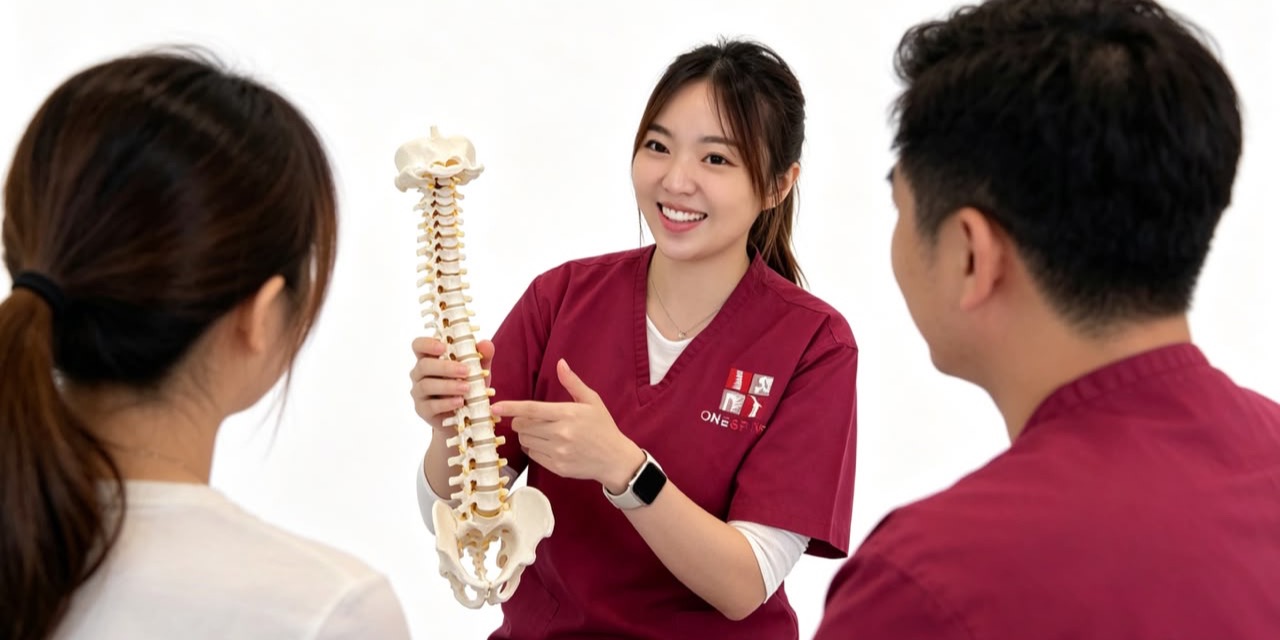
One Spine practitioner explaining spine assessment with a patient
Assessment first, treatment second.
We look beyond the painful area and explain when medical review may be more appropriate.
Location01

TTDI, Kuala Lumpur
38 & 40, Jalan Tun Mohd Fuad 1, Taman Tun Dr Ismail, 60000 Kuala Lumpur.

Open map

Patient feedback03

4.9 on Google
Public reviews often mention clear explanations, professional care, and comfortable visits.

Read review snippets

You should not need to guess your way through treatment.

Two people can both have back pain but need different next steps. One may need spinal mobility work. Another may need hip control, strengthening, workstation changes, or medical referral first.

That is why the first conversation is about the pattern, not a package.

1
We listen to the symptom storyWhat started it, what changes it, where it travels, and what feels unsafe or unusual.
2
We check movement and safety signsPosture, joint motion, muscle control, nerve-related signs, and red flags are considered.
3
We explain suitable optionsChiropractic, physiotherapy, rehabilitation, soft tissue work, shockwave, home advice, or referral may be discussed.
4
We avoid forcing careIf symptoms suggest imaging, medical review, or specialist care, we explain that clearly.
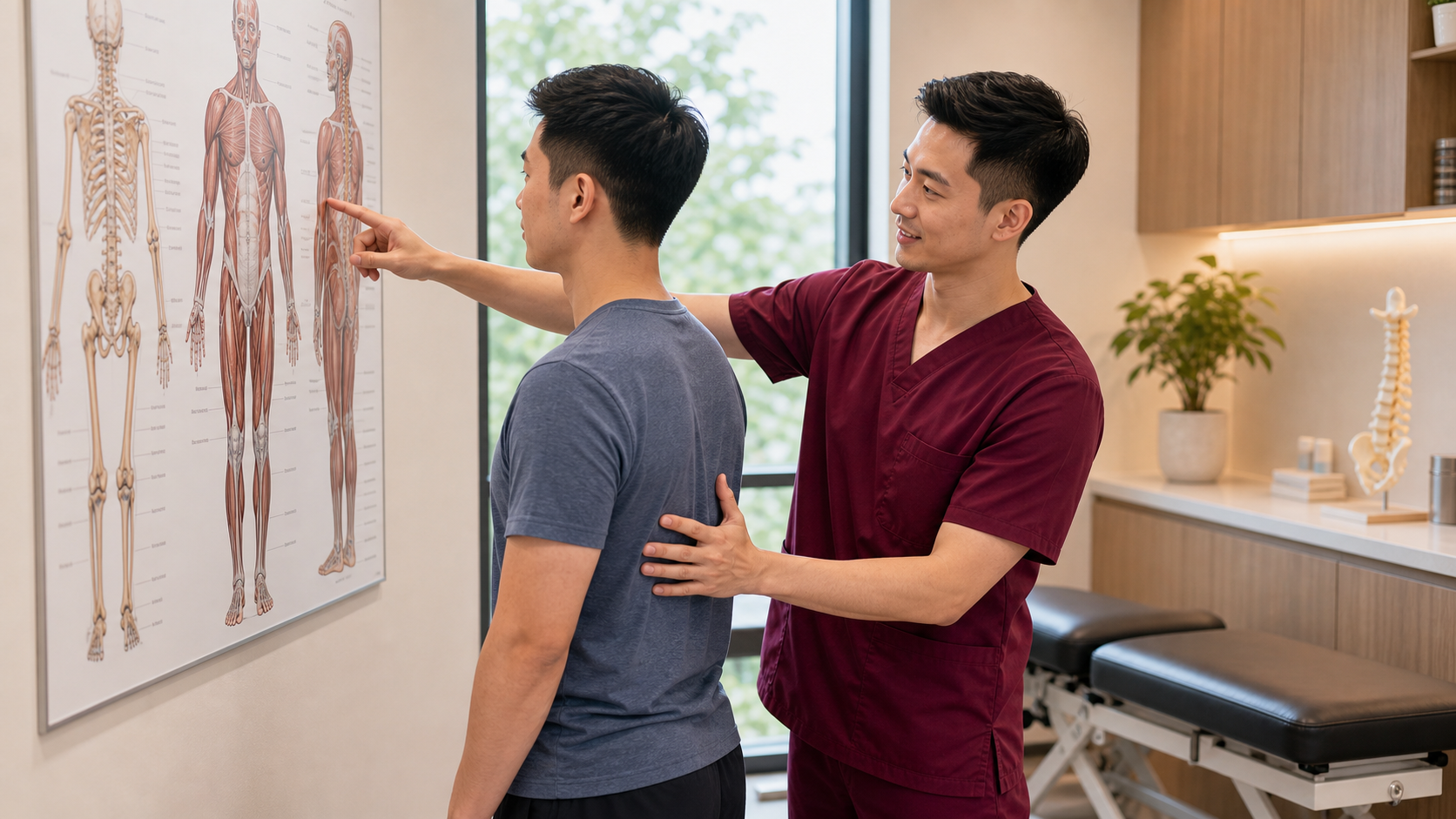
One Spine practitioner checking posture and movement with a patient

Chiropractic-led, with support when useful.

Chiropractic leads the clinical direction at One Spine. Physiotherapy, rehabilitation, soft tissue care, dry needling, shockwave therapy, and exercise support are added only when they are suitable for the patient.

We keep care practical: understand the problem, explain the findings, choose a sensible next step, and review progress.

We assess before recommending care. We look beyond the painful area.

Meet the One Spine team.

A small team supporting chiropractic-led care, with physiotherapy and rehabilitation input when useful for the patient.

Scroll side to side to view all practitioners
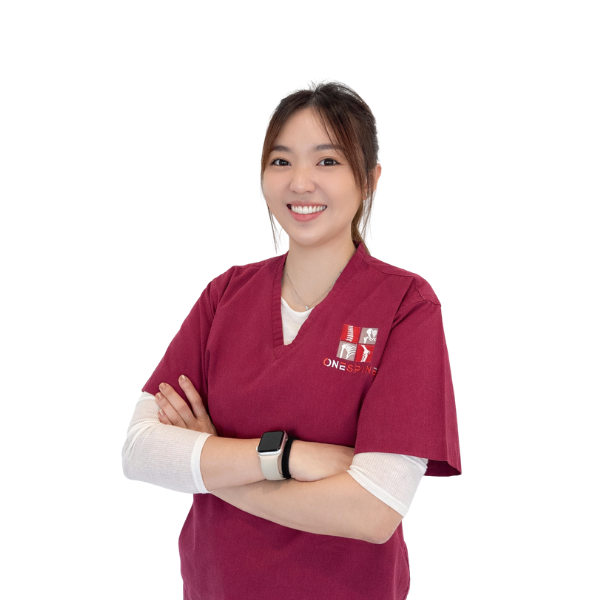
Ivy Ting, Chiropractor and Clinical Lead at One Spine TTDI

Ivy Ting

Chiropractor and Clinical Lead

Leads One Spine’s chiropractic direction and keeps the assessment-first approach clear, practical, and patient-focused.

Qualifications & Professional Memberships
  • Bachelor of Science (Honours) in Chiropractic
  • Diplomate, Australian College of Chiropractic Paediatrics
  • Graduate of a Council on Chiropractic Education Australasia (CCEA) accredited chiropractic programme
  • Registered Practitioner, Traditional and Complementary Medicine Council (T&CM), Malaysia
  • Member, Association of Chiropractic Malaysia (ACM)
  • Member, International Chiropractic Pediatric Association (ICPA)
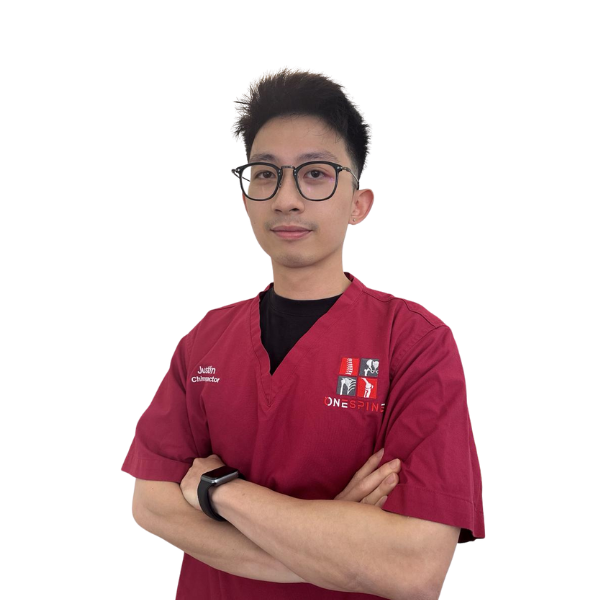
Justin Tan, Chiropractor at One Spine TTDI

Justin Tan

Chiropractor

Supports patients with chiropractic assessment, movement-based care, and clear explanations at each step.

Qualifications & Professional Memberships
  • Bachelor of Science (Honours) in Chiropractic
  • Graduate of a Council on Chiropractic Education Australasia (CCEA) accredited chiropractic programme
  • Registered Practitioner, Traditional and Complementary Medicine Council (T&CM), Malaysia
  • Completed Schroth Best Practice Programme (SBP) training for scoliosis
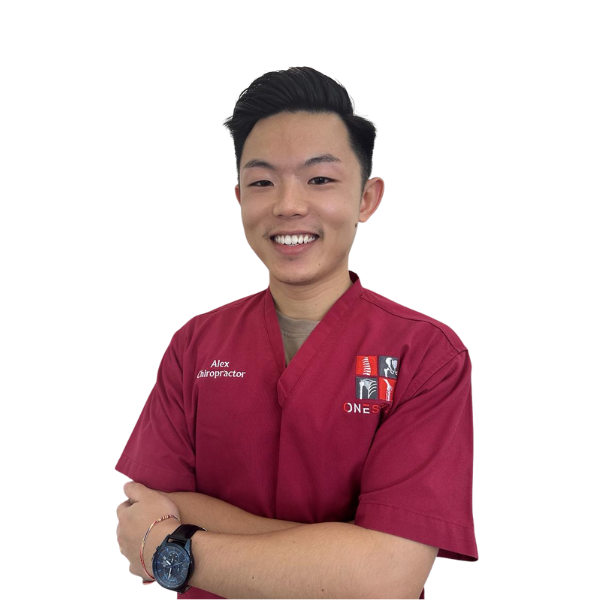
Alex Goh, Chiropractor at One Spine TTDI

Alex Goh

Chiropractor

Helps patients understand pain, posture, and movement concerns before care is considered.

Qualifications & Professional Memberships
  • Bachelor of Science (Honours) in Chiropractic
  • Graduate of a Council on Chiropractic Education Australasia (CCEA) accredited chiropractic programme
  • Registered Practitioner, Traditional and Complementary Medicine Council (T&CM), Malaysia
  • Completed Schroth Best Practice Programme (SBP) training for scoliosis
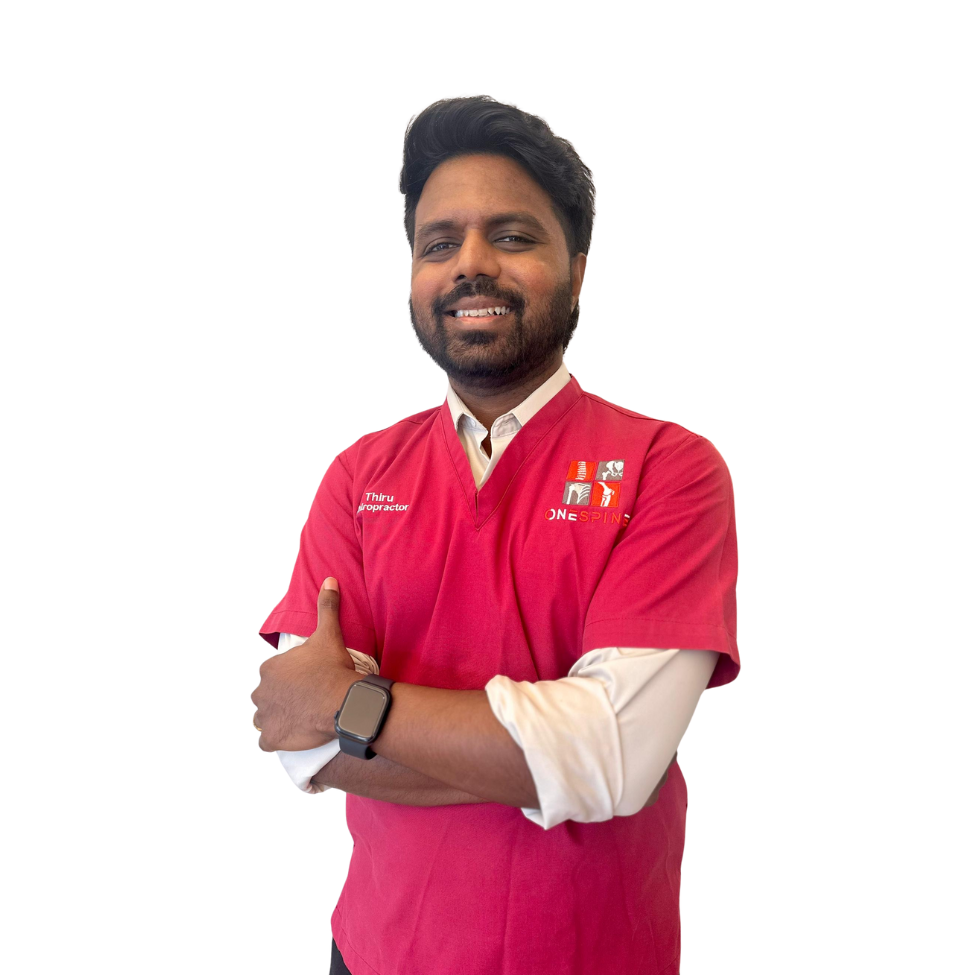
Thiruneelavannan, Chiropractor at One Spine TTDI

Thiruneelavannan

Chiropractor

Provides chiropractic care with a calm, assessment-led approach for pain and movement concerns.

Qualifications & Professional Memberships
  • Bachelor of Science (Honours) in Chiropractic, International Medical University (IMU)
  • Graduate of a Council on Chiropractic Education Australasia (CCEA) accredited chiropractic programme
  • Registered Practitioner, Traditional and Complementary Medicine Council (T&CM), Malaysia
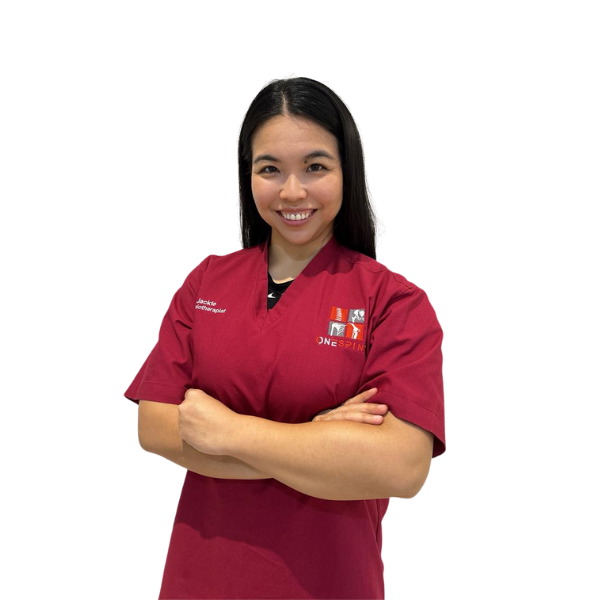
Liang Jia Kee, Physiotherapist at One Spine TTDI

Liang Jia Kee

Physiotherapist

Provides in-house physiotherapy and rehabilitation support when useful within a patient’s care plan.

Qualifications & Professional Memberships
  • Bachelor of Science (Honours) in Physiotherapy, INTI International University
  • Registered with the Malaysian Healthcare Practitioners’ System (MHPS)
  • Member, Malaysian Physiotherapy Association (MPA)

Patients often mention explanation, professionalism, and comfort.

Short public review snippets focused on patient experience.

4.9 rating on Google

“All the therapists are very professional and have helped me a lot with my ACL injury.”

Sadia Kabeer, Google review

“Very patient and attentive to my injury. Prices here are reasonable as well with quality service.”

Hailee Ng Yew Ming, Google review

“Explained clearly what might be causing my discomfort, which made me feel reassured.”

esther ooi, Google review

Source: One Spine Google review listing. Excerpts are shortened for layout.

Where patients can check professional context.

The practitioner cards list individual qualifications. These links provide Malaysian registration and professional-body context without publishing private practitioner registration numbers on the page.


MOH T&CM
Public information on T&CM practitioner registration and recognised practice areas.
Open source

ACM
Professional association information for chiropractic in Malaysia.
Open source

MPA
National professional body representing physiotherapists in Malaysia.
Open source

MHPS
Government information on the Malaysian Healthcare Practitioners System.
Open source

Privacy note: Individual registration numbers are not displayed here. Patients can check practitioner registration status through the relevant MOH T&CM or professional-body channels.

One Spine clinical explanation setting

Practical clinic information.

Address38 & 40, Jalan Tun Mohd Fuad 1, Taman Tun Dr Ismail, 60000 Kuala Lumpur.
Nearby areasTTDI, Damansara, Mont Kiara, Kuala Lumpur, and Petaling Jaya.
Start hereIf you are unsure what care you need, begin with a first visit assessment.

Before you visit.

Is One Spine mainly a chiropractic clinic?

Yes. One Spine is chiropractic-led, with in-house physiotherapy and rehabilitation support when suitable after assessment.

What does One Spine assess first?

We look at pain history, posture, movement, spine and joint function, muscle control, nerve-related signs, and red flags before recommending care.

Do I need to know whether I need chiropractic or physiotherapy?

No. The assessment helps us explain whether chiropractic care, physiotherapy support, rehabilitation, shockwave, dry needling, or referral is the sensible starting point.

When would One Spine advise referral?

Referral may be recommended for severe trauma, progressive weakness or numbness, bladder or bowel changes, fever, unexplained weight loss, severe night pain, or symptoms that do not fit a mechanical pattern.

Not sure where to start?

Book One Spine Signature Treatment and let the team assess what may be contributing to your pain or posture concern.

Clinical governance at One Spine TTDI

Registered Chiropractic Care, Professional Standards

Your care starts with a proper assessment, clear explanation, and safety screening before any treatment is recommended.

T&CM / KKM registered Our chiropractic practitioners are registered with the T&CM Council under the Traditional and Complementary Medicine Division, Ministry of Health Malaysia.
ACM professional association We follow professional standards connected to chiropractic practice in Malaysia, including the Association of Chiropractic Malaysia where applicable.
Assessment-first care We review history, posture, movement, joint function, muscle control, and red flags before recommending care.
Referral when needed If symptoms suggest imaging, medical review, or specialist care, we will advise referral instead of forcing treatment.
Whatsapp at One Spine TTDI

Additional Assessment Notes From One Spine TTDI

These notes are included for patients who want more detail before booking. They add context without changing the main page flow.

Read assessment-first guidance

Why assessment comes before treatment choice

One Spine TTDI combines chiropractic, physiotherapy, posture assessment and rehabilitation support in one centre. The notes below explain how assessment, safety screening and local access guide care decisions. At One Spine Chiropractic & Physiotherapy Centre TTDI, the first step is to understand the patient story: when symptoms started, what makes them better or worse, what daily activities are affected, what care has already been tried and what the patient wants to return to. This keeps the recommendation grounded in findings rather than a fixed service package.

What we check during the first visit

Depending on the concern, assessment may include pain history, posture observation, spinal or joint movement, hip or shoulder control, muscle strength, balance, walking pattern, work position, training load and nerve-related signs. We also ask about sleep, sitting tolerance, lifting, driving, exercise and family routines because these details often explain why symptoms keep returning.

How care options are selected

Care may include chiropractic care, physiotherapy, rehabilitation exercise, soft tissue work, dry needling, shockwave therapy for selected soft tissue concerns, posture guidance, ergonomic advice, home exercises or referral. Not every patient needs every option. The useful plan is the one that matches the assessment findings, comfort level, goals and safety considerations.

How we keep recommendations realistic

Healthcare decisions should avoid promises of the same outcome for every patient. Symptoms can be influenced by age, duration, sensitivity, strength, stress, sleep, medical history, work demands and consistency with home guidance. This is why One Spine uses cautious explanations and reviews progress instead of assuming one technique will suit everyone.

When referral or imaging may be more appropriate

Referral or imaging may be considered when symptoms involve major trauma, progressive weakness, loss of bladder or bowel control, numbness around the groin area, unexplained fever, unexplained weight loss, severe unrelenting night pain, worsening neurological signs or a pattern that does not fit conservative care. Referral is part of safe clinical reasoning, not a failure of care.

How home guidance supports progress

Many patients need practical advice between visits. This may include simple mobility drills, strengthening progressions, walking advice, sitting or sleep-position changes, warm-up adjustments, desk setup, activity pacing, lifting modifications or return-to-exercise steps. These details help care fit real life instead of depending only on what happens inside the centre.

How progress is reviewed

Progress is not judged only by pain score. We also consider sleep, sitting tolerance, walking, work comfort, training confidence, ability to lift, ability to care for children, movement control and whether flare-ups are becoming less frequent or easier to manage. If progress is unclear, the plan should be reviewed rather than repeated without question.

Why location still matters for KL and PJ patients

TTDI is practical for many patients from Kuala Lumpur, Petaling Jaya, Damansara, Bandar Utama and Mont Kiara. Convenient access can make follow-up easier, but location should not replace clinical reasoning. Patients should still expect assessment, clear explanation, realistic expectations, transparent pricing and safe referral judgment.

How to use this information before booking

Use this page to prepare better questions for your visit: where is the pain, when did it start, what movements change it, does it travel, is there numbness or weakness, what activities matter most, and what has helped or failed before? An in-person assessment is still needed before deciding whether chiropractic care, physiotherapy, rehabilitation or medical review is the right next step.

Educational note

This information is educational and does not diagnose your condition online. Individual recommendations depend on your symptoms, health history, examination findings, goals and safety screening. One Spine TTDI keeps the message assessment-first so patients can make clearer decisions without relying on exaggerated claims or one-size-fits-all treatment plans.

How the first visit information is used

The first visit is used to connect the patient story with movement findings. We ask how symptoms started, what makes them worse, what has already been tried, how work or exercise is affected and whether there are signs that need medical review. This helps keep care practical and specific instead of relying on a general treatment label.

What makes advice practical for daily life

Many patients need guidance that fits sitting, driving, laptop work, lifting children, gym training, walking, sleep and home routines. A useful plan should explain what to change between visits, how much activity is reasonable and when symptoms should be reviewed again. This is why One Spine TTDI pairs care with simple home guidance when appropriate.

What One Spine TTDI focuses on as a centre

One Spine Chiropractic & Physiotherapy Centre focuses on recurring pain, posture concerns, movement confidence, family spine care and rehabilitation support. Patients often arrive with a service in mind, but the team first clarifies whether the concern appears more related to joints, muscles, nerves, training load, work habits, pregnancy changes, child posture or another factor that needs referral.

Why chiropractic and physiotherapy sit together

Some patients benefit from hands-on care to improve comfort and movement, while others need exercise-based rehabilitation, load management or posture guidance. Having chiropractic and physiotherapy perspectives in the same centre helps the care plan match the assessment findings rather than forcing every patient into one method.

How the TTDI location supports follow-up

TTDI is convenient for many patients from Damansara, Mont Kiara, Bandar Utama, Kuala Lumpur and nearby Petaling Jaya. Convenience matters because recurring pain often needs review, progression and practical advice. The location helps patients return for follow-up when needed, but the decision to continue care should still be based on progress and reassessment.

How the team keeps expectations realistic

Pain and posture progress can vary because of symptom duration, sensitivity, stress, sleep, strength, work demands, training habits and medical history. One Spine explains what the assessment suggests, what care may include, what signs to monitor and when another provider or imaging may be more appropriate. This keeps the discussion clear before a plan begins.

Why patient education is part of care

Patients often feel more confident when they understand why symptoms may return and what they can do between visits. Education may include posture habits, desk setup, warm-up changes, activity pacing, strengthening, mobility work or sleep-position advice. The exact guidance depends on the assessment rather than a fixed script.

How family care is approached

Parents, pregnant mothers, postnatal mothers, children and teenagers may need a gentler or more adapted assessment. Care decisions consider comfort, age, stage of pregnancy or recovery, activity level and referral boundaries. The goal is to make the visit clear and appropriate for the person, not to treat family care as one standard pathway.

How patients can compare care options

When comparing centres or practices, patients should look for assessment before treatment, clear explanation, transparent pricing, realistic progress checks, home guidance and referral judgment. Reviews and location can help with confidence, but they should sit beside careful clinical reasoning and a plan that can be reviewed.

What safe progress review looks like

Follow-up should compare symptoms, movement, function and confidence against the first visit findings. If progress is good, the plan may move toward self-management and exercise. If progress is not matching expectations, the plan should be reviewed instead of repeated automatically. This helps keep care responsive to the patient.

What patients should understand before choosing care

A careful first step is to understand whether the concern is mainly pain sensitivity, joint restriction, muscle control, nerve irritation, loading habit, recovery pattern or a condition that needs medical review. One Spine TTDI explains these possibilities in plain language so patients can make a decision based on assessment findings rather than fear, pressure or a single symptom label.

How multidisciplinary care stays organised

When chiropractic, physiotherapy, rehabilitation and supportive therapies are available together, the important question is sequencing. Some patients need comfort and movement first, some need strength and control, and some need referral before conservative care continues. The team reviews the patient goal, symptom behaviour and response to care so the plan stays organised.

Why local patient routines matter

Patients around TTDI, KL, PJ, Damansara and Mont Kiara often manage long sitting hours, driving, laptop work, gym training, school runs, childcare and limited recovery time. A care plan that ignores those routines is difficult to follow. One Spine TTDI aims to make advice specific enough for normal days, not only for the treatment room.

What keeps the centre message clinically balanced

The centre avoids treating every back pain, neck pain, posture concern or sports issue as the same problem. The visible symptom is only the starting point. History, movement, strength, neurological signs, patient goals and referral boundaries all shape the recommendation, which keeps the message professional, cautious and useful for patients comparing care options.

How the About page should support patient decisions

The About page should help patients understand who they are visiting, how the team thinks, what the first visit is meant to clarify and why assessment matters before care is recommended. It should not read like a sales page. For One Spine TTDI, the trust signal comes from registered practitioner information, transparent contact details, local TTDI context and balanced explanations of chiropractic, physiotherapy and rehabilitation support.

How One Spine keeps local information consistent

Patients may find One Spine through TTDI, Kuala Lumpur, Petaling Jaya, Damansara or Mont Kiara searches. The centre information should stay consistent across those journeys: same business name, same address, same phone number, same opening hours and the same assessment-first message. Consistency helps patients and search engines understand the entity without needing repeated keyword-heavy copy.

What patients can expect from the centre tone

One Spine TTDI should sound clear, calm and practical. Patients should be able to understand what the centre assesses, what care may involve, what information to prepare and when another referral pathway may be needed. This tone supports trust because it gives useful context without pressure or exaggerated treatment language.