Clinical content reviewed by Ivy Ting, Chiropractor & Clinical Lead | T&CM registration CP-PPPB2025/26122. Last reviewed: August 2026.
Understand the pattern
Back pain and leg symptoms are not always the same thing
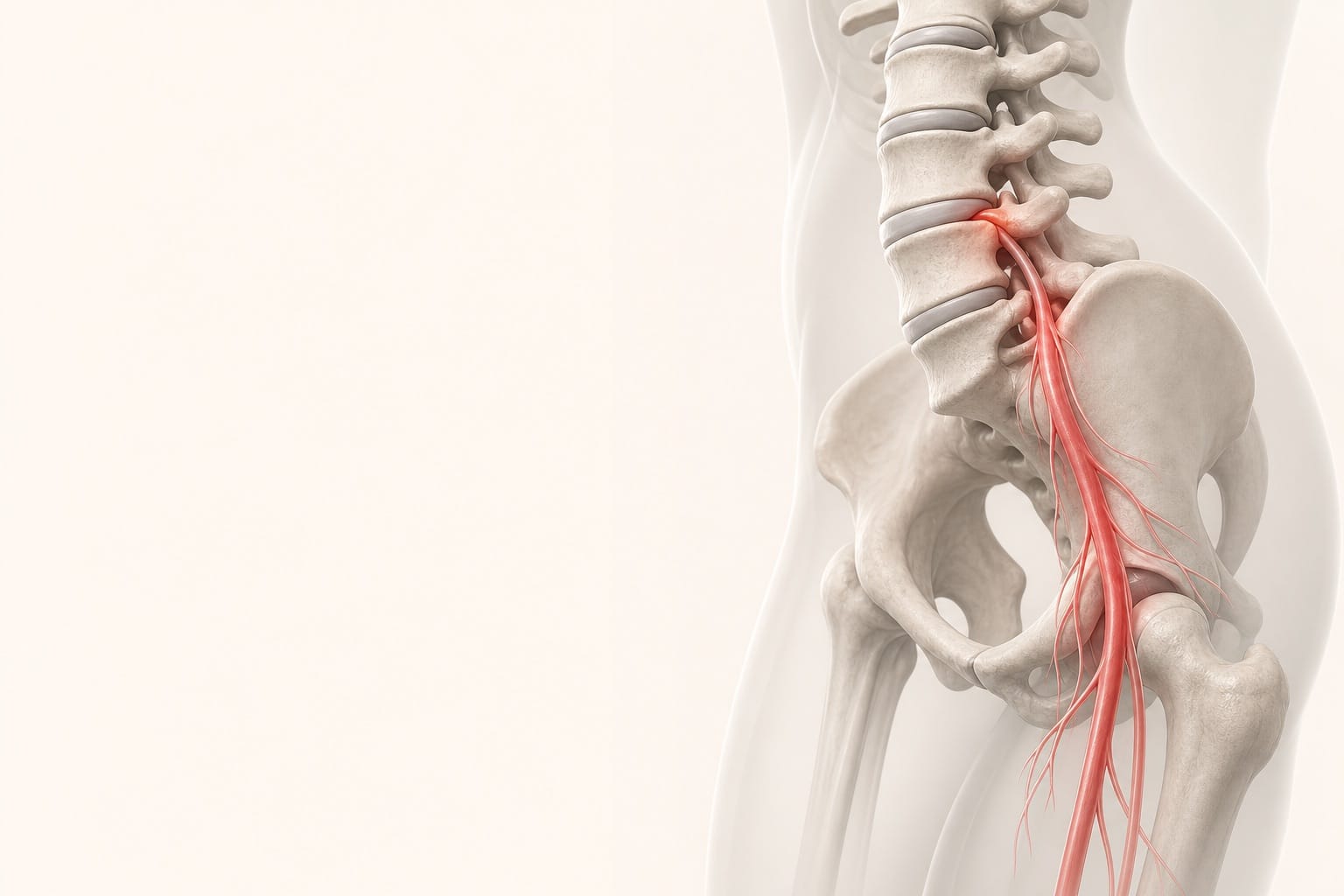
Lower back pain, buttock pain, tingling, numbness and symptoms travelling into the leg can behave differently. Assessment helps distinguish the pattern and decide whether conservative care, exercise guidance, imaging referral or medical review is the safer next step.
- Lower back pain may stay local or change with movement
- Leg symptoms can involve sensitivity along a nerve pathway
- Progressive weakness or bladder and bowel changes need urgent medical review
Quick answer
Looking for back pain treatment in Kuala Lumpur? One Spine TTDI starts with assessment before care, especially for lower back pain, recurring stiffness, sciatica-like leg symptoms and disc-related concerns. Your first visit checks symptom history, movement, posture, nerve-related signs and red flags before explaining suitable chiropractic, physiotherapy, exercise or referral options.
One Spine Chiropractic & Physiotherapy Centre provides back pain assessment and conservative care in TTDI, Kuala Lumpur for patients with lower back pain, recurring stiffness, sciatica-like symptoms and disc-related concerns. The first visit checks pain history, movement limits, posture, nerve-related signs and red flags before explaining whether chiropractic care, physiotherapy, exercise, imaging referral or medical review is suitable.
Why choose One Spine for back pain treatment in KL
Back pain can come from joints, discs, nerves, muscles, posture, workload or a mix of several factors. At One Spine TTDI, we start with assessment so the care plan fits what is actually driving your symptoms.
- Assessment firstWe check pain history, movement, nerve signs and daily triggers before recommending care.
- Chiro and physio under one roofUseful when back pain involves stiffness, weakness, posture or recurring flare-ups.
- Local KL accessTTDI centre serving Kuala Lumpur, PJ, Damansara, Mont Kiara and nearby areas.
- Clear referral safetyWe explain when imaging, medical review or urgent care should be considered.
Back Pain Symptoms We Assess in KL
Quick answer: Back pain treatment in KL or Kuala Lumpur should not only focus on the painful area. At One Spine TTDI in Kuala Lumpur, we assess your spine, pelvis, hips, posture, movement patterns and pain triggers before recommending suitable care.
We support patients from Kuala Lumpur, TTDI and nearby Petaling Jaya who experience recurring lower back pain, stiffness, sciatica-like symptoms or pain from sitting, lifting, driving and exercise.
Common back pain symptoms
- Lower back pain or stiffness
- Pain after sitting or driving
- Pain when bending or lifting
- Hip or pelvic tightness
- Sciatica-like leg pain
- Numbness or tingling
- Recurring pain that improves then returns
What One Spine assesses
- Pain history and daily activity habits
- Spinal, pelvic and hip mobility
- Posture and movement patterns
- Core and muscle control
- Possible nerve-related symptoms
- Red flags that require referral
Suitable care options
- Chiropractic care where appropriate
- Physiotherapy and rehabilitation
- Soft tissue therapy
- Mobility and strengthening exercises
- Posture and ergonomic advice
- Home exercise guidance
When referral is needed
- Loss of bladder or bowel control
- Progressive leg weakness or numbness
- Severe pain after accident or trauma
- Fever, unexplained weight loss or history of cancer
- Severe symptoms that do not follow a mechanical pattern
How One Spine checks recurring back pain
Back pain can come from different loading patterns. The first visit checks what is likely contributing to your symptoms before care is recommended.
Seek urgent medical review for bladder or bowel changes, saddle numbness, progressive weakness, fever, major trauma, cancer history, unexplained weight loss or rapidly worsening leg symptoms.
One Spine Signature Chiropractic Treatment - RM238
This first visit offer is designed for adults, mothers, children, and active individuals experiencing pain, posture concerns, or recurring body discomfort.
What is included?
- Consultation
- Pain history review
- Posture assessment
- Basic movement screening
- Clinical explanation of possible contributing factors
- First care session or basic treatment, if clinically appropriate
- Recommended care plan
If treatment is not suitable on the day, our team will explain the safest next step or recommend referral where needed.
Book a back pain assessment in KL
If your back pain keeps returning, travels into the leg, or affects sitting, work, sleep or exercise, start with an assessment. We will explain what we find and whether chiropractic care, physiotherapy, rehabilitation or referral is the safest next step.
FAQ
Why does back pain keep coming back?
Back pain may return when spinal stiffness, hip tightness, weak core control, posture habits or movement patterns are not properly addressed.
Can chiropractic help lower back pain?
Chiropractic care may help some patients with mechanical lower back pain when assessment findings show it is suitable.
Can physiotherapy help back pain?
Physiotherapy may help with strengthening, movement control, rehabilitation and long-term recovery.
When should back pain be checked urgently?
Seek urgent medical care for bladder or bowel changes, saddle numbness, progressive weakness, fever, major trauma or severe unusual symptoms.
How do I book back pain treatment in KL?
You can book the One Spine Signature Chiropractic Treatment - RM238 with One Spine TTDI through WhatsApp.
Lower back pain, sciatica or slipped disc symptoms?
These symptoms can overlap, but they should not be treated as the same problem. One Spine TTDI checks the pain pattern, movement, nerve-related signs and red flags before recommending the next step.
Google review snippets
What patients often mention about One Spine
Clear explanation“explained clearly what might be causing my discomfort”
Professional care“very professional and provides good service”
Friendly team“staff were friendly and attentive”
Short excerpts are taken from public Google review wording and shortened for readability. Reviews are patient experiences, not a guarantee of the same result for every condition.
Clinical content reviewed by Ivy Ting, One Spine's registered T&CM practitioner (Registration: CP-PPPB2025/26122). Last reviewed: 26 July 2026.
Ready to check why your back pain keeps returning?
If back pain affects sitting, walking, sleep, bending, lifting or leg symptoms, the next useful step is an assessment. One Spine TTDI checks the pain pattern first, then explains whether chiropractic care, physiotherapy, exercise guidance, imaging referral or medical review is suitable.
- TTDI centre serving KL, PJ, Damansara and Mont Kiara
- Assessment for lower back pain, recurring stiffness, sciatica-like symptoms and disc concerns
- Clear safety screening before care is recommended
When back pain keeps coming back
Back pain should be assessed when it affects normal life
If lower back pain keeps returning, affects sitting, standing, walking or travels toward the leg, it is worth checking the spine, posture, hip movement and nerve-related signs. One Spine helps patients around KL, TTDI and PJ understand what may be contributing to their pain.
Back-pain cluster clarity
Back pain, sciatica and slipped-disc pages have different jobs
Use this back-pain page for broad lower-back pain assessment in KL and TTDI. If symptoms include numbness, tingling, pain travelling down the leg or known disc findings, the slipped-disc and sciatica pages give more specific assessment guidance.
- Back Pain Treatment KL covers broader back pain and recurring flare-ups.
- Slipped Disc Treatment KL focuses on disc-related symptoms and red flags.
- Sciatica Treatment KL focuses on leg pain, nerve-like symptoms and referral boundaries.