
Understand the pattern
A scan finding and your symptoms are not always the same thing
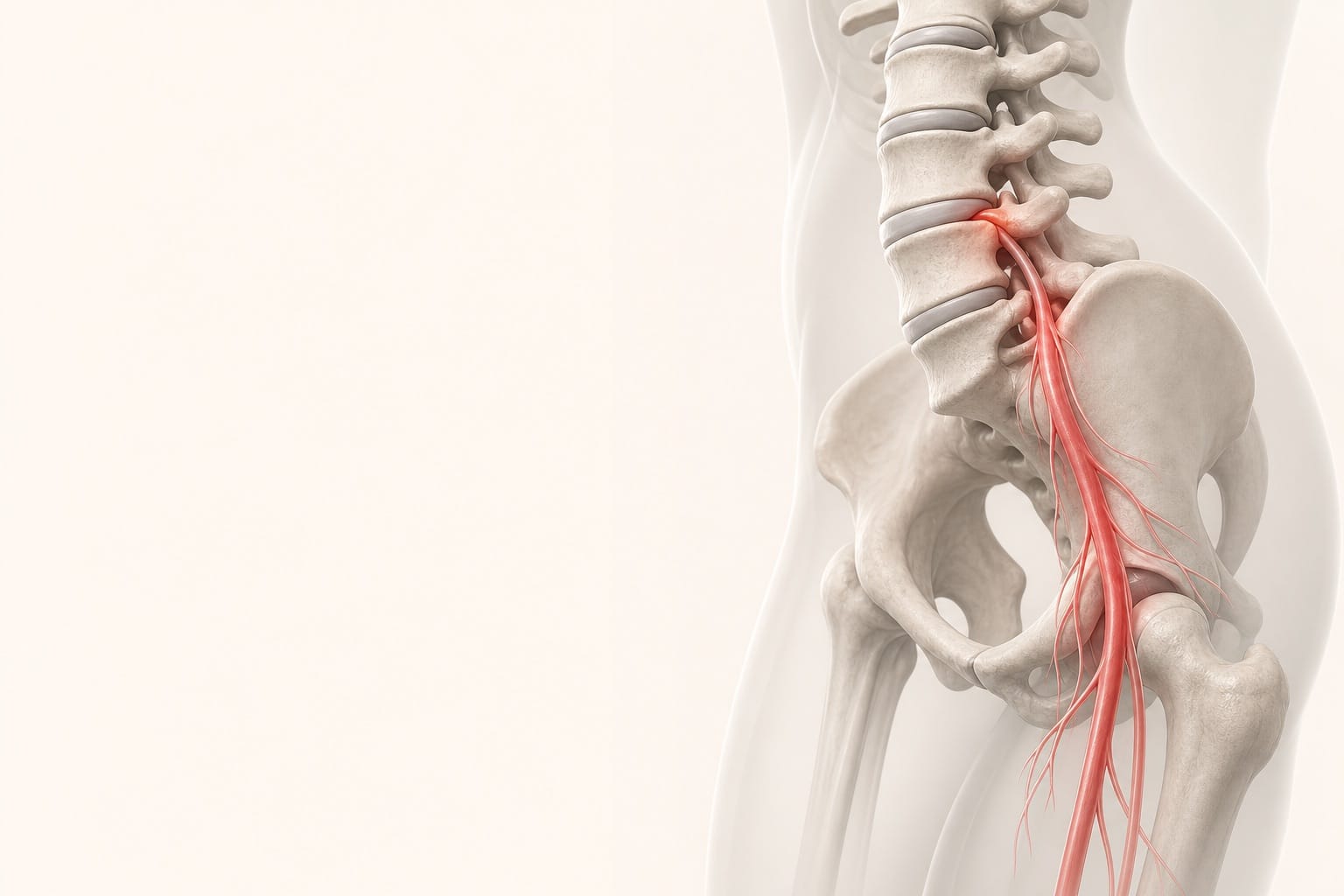
L4-L5 and L5-S1 findings can be linked with local back pain, buttock pain, tingling, numbness or pain travelling into the leg. Assessment checks how your symptoms behave, movement tolerance, strength and warning signs before deciding on the next step.
- Pain that travels below the knee can involve nerve sensitivity
- Progressive weakness needs prompt medical review
- A care plan should match symptoms, function and safety, not an image alone
Google review snippets
What patients often mention about One Spine
Clear explanation“explained clearly what might be causing my discomfort”
Professional care“very professional and provides good service”
Friendly team“staff were friendly and attentive”
Short excerpts are taken from public Google review wording and shortened for readability. Reviews are patient experiences, not a guarantee of the same result for every condition.
Clinical content reviewed by Ivy Ting, One Spine's registered T&CM practitioner (Registration: CP-PPPB2025/26122). Last reviewed: 26 July 2026.
Patient guide | Back Pain / Sciatica / Nerve Symptoms
An L4-L5 or L5-S1 disc bulge means one of the lower back discs is pushing outward. It may cause back pain, leg pain, tingling, numbness, or no symptoms at all. At One Spine TTDI in Kuala Lumpur, we assess your pain pattern, nerve signs, movement, strength, and red flags before recommending care.

Quick answer: A disc bulge on a scan does not automatically mean surgery or lifelong pain. The important question is whether the scan finding matches your symptoms and examination. If pain travels down the leg, causes numbness, weakness, or keeps recurring, assessment is more useful than guessing from the MRI wording alone.
| Topic | Common clues | What to do | When to get help |
|---|---|---|---|
| Mostly back pain | Local ache, stiffness, bending or sitting sensitivity | Assess movement, load tolerance, and pain triggers | Get checked if it keeps returning or affects work and sleep |
| Leg symptoms | Pain, tingling, numbness, or burning travelling into the leg | Screen nerve signs and compare with the scan level | Prompt review if numbness or weakness is worsening |
| Red flags | Bladder or bowel changes, groin numbness, severe weakness, fever, trauma, or severe night pain | Seek urgent medical review | Do not manage these as routine back pain |
What is an L4-L5 or L5-S1 disc bulge?
The discs sit between the bones of the spine. L4-L5 and L5-S1 are the two lower lumbar levels that often take high load from sitting, bending, lifting, training, and daily movement. A bulge means the disc extends outward from its usual shape.
The wording on a scan matters, but it should not be read alone. Many people have disc changes on imaging without matching pain. The centreal pattern matters.
What symptoms can a lower back disc bulge cause?
Does an L4-L5 or L5-S1 disc bulge always need treatment?
No. Treatment depends on symptoms, examination findings, function, and red flags. Some cases improve with education, movement changes, rehabilitation, load management, and time. Other cases need closer medical review, imaging correlation, or referral.
At One Spine, we avoid recommending care only because an MRI report says “disc bulge”. We first check whether your symptoms behave like joint, disc, muscle, or nerve-related pain.
What does One Spine assess before recommending care?
We assess before recommending care. We look beyond the painful area. For disc-related symptoms, this may include:
- Pain history, scan history, work habits, lifting, sitting, sleep, and exercise load
- Lower back, hip, and pelvis movement
- Strength, reflexes, sensation, and nerve tension signs when relevant
- Whether leg symptoms match an L4, L5, or S1 pattern
- Red flags that may need medical referral
Useful related guides include Sciatica Treatment TTDI, Back Pain Treatment KL, and Muscle, Joint, Disc, or Nerve Pain?.
What care options may help?
Depending on assessment, care may include chiropractic care, physiotherapy, rehabilitation, mobility work, strengthening, nerve-friendly movement, sitting and lifting advice, and referral when needed. Results vary, and suitability depends on your symptoms and examination.
When should disc symptoms be medically reviewed?
Seek urgent medical review for bladder or bowel changes, numbness around the groin or bottom, progressive leg weakness, symptoms in both legs, fever, unexplained weight loss, trauma, or severe unrelenting night pain. These signs should not be treated as routine back pain.
Research and clinical sources
These sources support the general clinical discussion. They do not replace assessment for your specific symptoms.
Useful internal links
FAQ
Is L4-L5 or L5-S1 disc bulge serious?
It depends. Some disc bulges are painful, some affect nerves, and some are scan findings without symptoms. Severity depends on symptoms, nerve signs, function, and red flags.
Can chiropractic care help a disc bulge?
It may help selected cases as part of conservative care, but it depends on assessment. We screen nerve signs and red flags before recommending chiropractic care.
Does a disc bulge mean I need surgery?
Not automatically. Many people are managed conservatively, but urgent or progressive nerve symptoms need medical review.
Can a disc bulge cause sciatica?
Yes, a lower back disc problem can irritate a nerve and contribute to sciatica-like leg symptoms. Assessment is needed to confirm the pattern.
Book a Disc and Sciatica Assessment in TTDI
If your scan says L4-L5 or L5-S1 disc bulge, bring the report if you have it. We will assess whether the finding matches your symptoms before recommending care.
This article is for education only and is not a diagnosis. Please seek medical care promptly for severe, sudden, worsening, or unusual symptoms. Results vary, and suitable care depends on assessment.
L4-L5 and L5-S1 disc bulge: match care to symptoms, not the scan alone
A disc bulge finding can be relevant, but the care plan should still match pain behaviour, leg symptoms, nerve-related signs, movement tolerance and red flags. One Spine TTDI explains when conservative care may be suitable and when imaging or medical review should be prioritised.
- Connects disc findings with lower back pain and sciatica pages
- Useful for L4, L5 and S1 symptom searches
- Keeps advice cautious around weakness, numbness and worsening symptoms