Tailbone Pain After Sitting: When Should You Get It Checked?
Tailbone pain after sitting may involve coccyx pressure, posture, falls, pregnancy, pelvic floor or lower back factors. Learn what One Spine TTDI assesses first.
Spine, posture, pain and rehabilitation care in TTDI

Tailbone pain after sitting may involve coccyx pressure, posture, falls, pregnancy, pelvic floor or lower back factors. Learn what One Spine TTDI assesses first.

Hip pain when sitting, walking or standing up may come from the hip joint, muscles, pelvis, lower back or nerve irritation. Learn what One Spine TTDI assesses first.




How to decide whether back pain needs chiropractic care, physiotherapy, rehabilitation, combined care, or referral after assessment.

Posture correctors may remind you to sit differently, but they do not fix the cause of neck or back pain. Learn what One Spine TTDI assesses first.
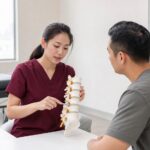



These back pain articles help patients understand why lower back pain may keep returning and when assessment may be useful.
Start with articles that match your symptoms, such as recurring lower back pain, sciatica-like pain, posture-related discomfort or pain after sitting. If pain is severe or worsening, book an assessment or seek medical review.
These pages connect back pain, posture, sciatica and physiotherapy topics.