Patient guide | Back Pain / Sitting Pain / Posture
Tailbone pain after sitting usually refers to pain around the coccyx, the small bone at the base of the spine. It may be worse when sitting, standing up, bending forward, driving, cycling, or after childbirth or a fall. At One Spine TTDI near PJ, we assess the pain pattern, posture, lower back, pelvis, sitting load, and red flags before recommending care.
Quick answer: Tailbone pain after sitting usually refers to pain around the coccyx, the small bone at the base of the spine. It may be worse when sitting, standing up, bending forward, driving, cycling, or after childbirth or a fall. At One Spine TTDI near PJ, we assess the pain pattern, posture, lower back, pelvis, sitting load, and red flags before recommending care.
What commonly causes tailbone pain?
Tailbone pain can follow a fall, prolonged sitting, cycling, driving, pregnancy or childbirth, poor sitting posture, reduced pelvic mobility, muscle guarding, or repeated pressure over the coccyx. Sometimes the cause is unclear. The important point is whether symptoms are improving, stable, worsening, or affecting daily function.
What does One Spine assess first?
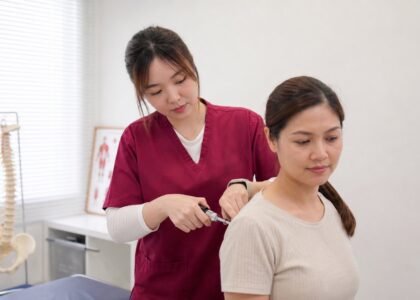
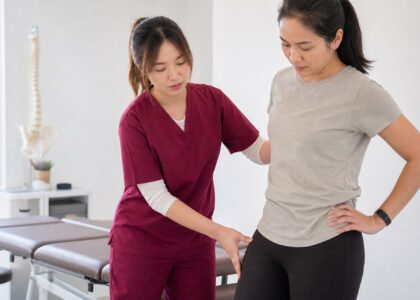
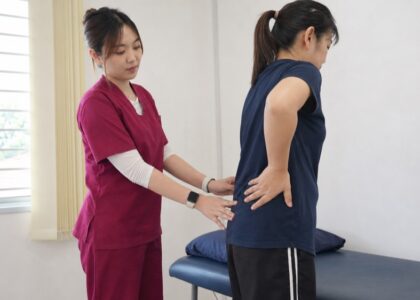
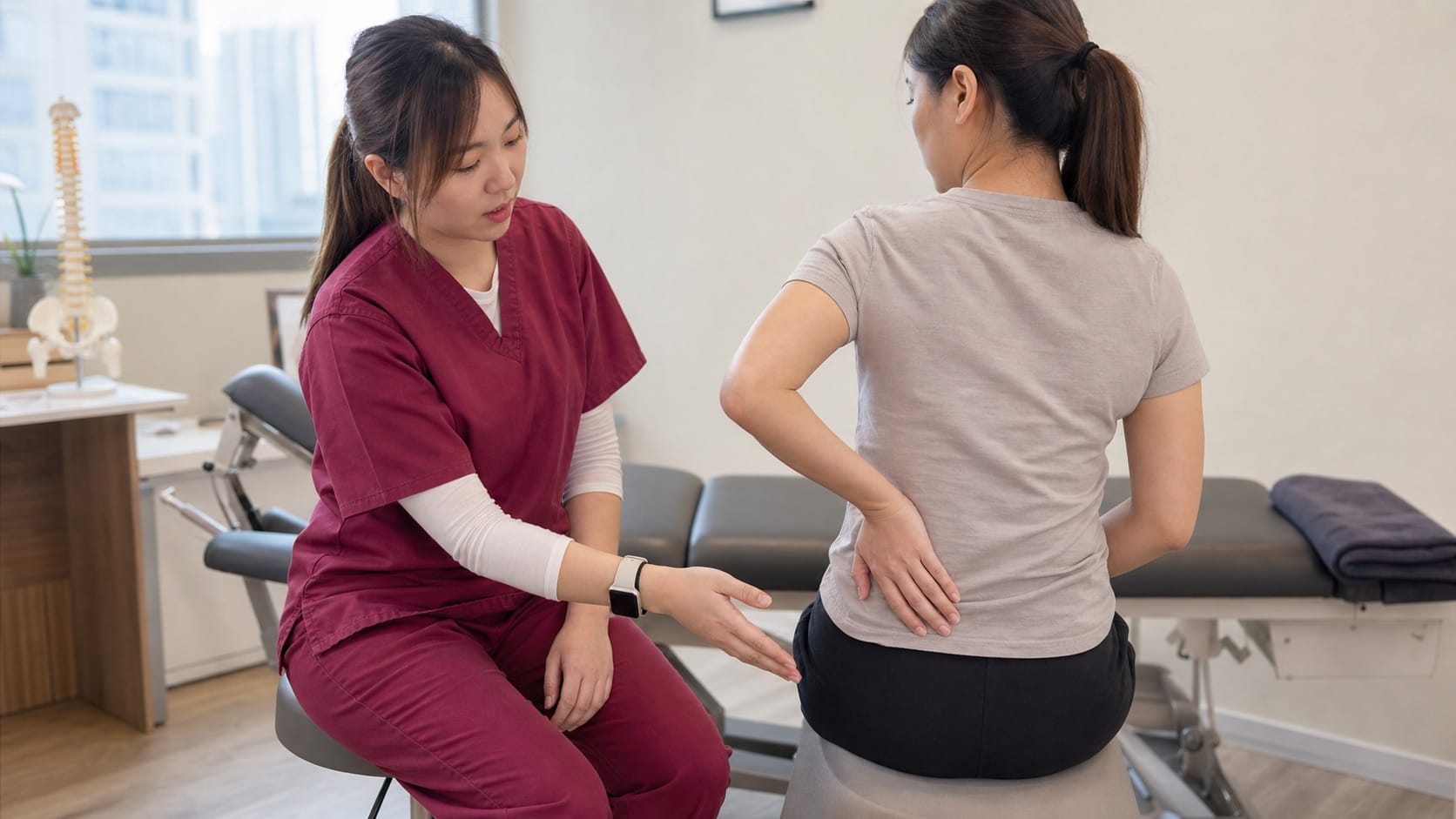
We ask how long the pain has been present, whether there was a fall or childbirth history, what sitting surfaces make it worse, whether bowel movement, coughing, or bending affects symptoms, and whether there are lower back, hip, pelvic or nerve symptoms. We may assess posture, lumbar and pelvic movement, hip mobility, tenderness patterns, sitting mechanics, and red flags.
What care options may help?
Depending on the assessment, suitable care may include posture and sitting advice, cushion and pressure-management strategies, gentle mobility work, lower back or pelvic support, physiotherapy guidance, strengthening, or referral if symptoms suggest a medical cause. We avoid promising a quick fix because coccyx pain can be stubborn and the right plan depends on the cause.
| Pattern | What it may suggest | What assessment checks |
|---|---|---|
| Pain only when sitting | Coccyx pressure, sitting posture, chair surface or local soft tissue sensitivity may be involved. | Sitting tolerance, pressure points and posture habits. |
| Pain after a fall | Bruising, fracture, joint irritation or soft tissue injury may need medical review if severe. | Trauma history, ability to sit/walk and worsening symptoms. |
| Postnatal tailbone pain | Pregnancy and childbirth can load the pelvis and coccyx area. | Birth history, pelvic symptoms, lower back and hip function. |
| Tailbone plus leg symptoms | Lower back or nerve involvement may overlap. | Nerve screening, lumbar movement and red flags. |
When should this be medically reviewed?
Seek medical review promptly if tailbone pain follows significant trauma, is severe or worsening, comes with fever, unexplained weight loss, abdominal pain, bladder or bowel changes, numbness around the groin or saddle area, progressive weakness, or pain that does not improve after a few weeks.
What internal pages should this connect to?
Frequently asked questions
Is tailbone pain the same as lower back pain?
Not exactly. Tailbone pain is usually felt at the base of the spine near the top of the buttock. Lower back or pelvic problems can still overlap, so assessment may need to check more than the coccyx area.
Should I use a coccyx cushion?
A coccyx cushion may reduce pressure for some people, especially during long sitting. It is usually a pressure-management tool, not a full solution if the pain keeps returning.
Can physiotherapy help tailbone pain?
Physiotherapy may help selected cases through posture advice, mobility, pelvic and hip support, and load management. Some cases need medical review or other treatment first.
How long should I wait before getting checked?
If pain affects sitting, driving, work, sleep, exercise, or has not improved after a few weeks of sensible self-care, it is reasonable to get assessed.
References
Book an assessment at One Spine TTDI
If your pain keeps returning, affects sitting, walking, work, exercise, or sleep, the next useful step is a proper assessment. One Spine is located at 38 & 40, Jalan Tun Mohd Fuad 1, TTDI, Kuala Lumpur, near PJ, Damansara, Mont Kiara and Bangsar.
This article is for general education only and does not replace a personalised assessment, medical diagnosis, or emergency care. Suitability for chiropractic, physiotherapy, rehabilitation, shockwave, exercise, imaging, or referral depends on assessment findings. Results vary.