Patient guide | Patient Guides / Back Pain / Neck Pain / Sciatica
Pain can feel confusing because the painful area is not always the source. Muscle, joint, disc, and nerve-related pain can overlap. At One Spine TTDI in Kuala Lumpur, we assess movement, strength, sensation, nerve signs, posture, daily load, and red flags before recommending chiropractic care, physiotherapy, rehabilitation, or referral.

Quick answer: You cannot reliably diagnose the pain source from feeling alone. Muscle pain often feels sore or tight, joint pain may feel stiff or sharp with movement, disc-related pain may be sensitive to sitting or bending, and nerve pain may travel with tingling, numbness, burning, or weakness. Assessment matters because these patterns can overlap.

| Pain pattern | Common clues | Possible contributors | When to get assessed |
|---|---|---|---|
| Muscle | Sore, tight, crampy, tender to touch | Load, fatigue, training, stress, sleep, or guarding | Keeps worsening, major swelling, fever, trauma, or unusual weakness |
| Joint or disc | Stiff, blocked, sharp with movement, sensitive to sitting or bending | Spinal joint restriction, irritated disc, posture, lifting, or repeated positions | Leg symptoms, severe night pain, trauma, or bladder or bowel changes |
| Nerve | Travelling pain, tingling, numbness, burning, electric pain, or weakness | Nerve irritation from the neck, back, hip region, or other structures | Progressive weakness, numbness spreading, both-leg symptoms, or bladder or bowel changes |
What might muscle pain feel like?
Muscle-related pain may feel sore, tight, achy, crampy, or tender to touch. It may change with load, fatigue, stress, sleep, and training. However, muscle tightness can also be a response to joint stiffness, nerve irritation, or protective guarding.
What might joint pain feel like?
Joint-related pain may feel stiff, blocked, sharp with certain movements, or painful at end-range. In the spine, joint irritation can also create muscle guarding nearby, so it may feel like a tight muscle even when movement restriction is part of the problem.
What might disc-related pain feel like?
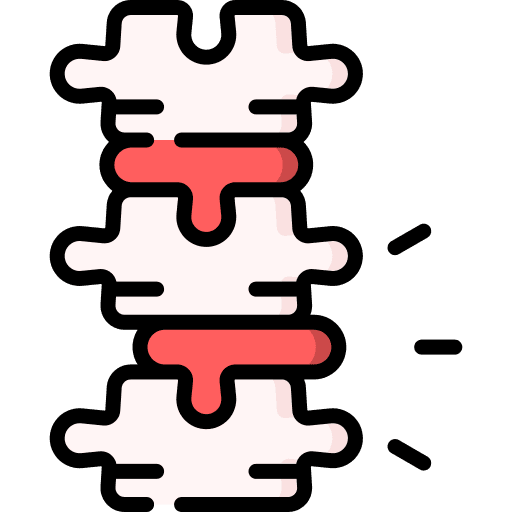
Disc-related pain may be sensitive to sitting, bending, coughing, sneezing, or lifting in some cases. It may stay local or contribute to symptoms travelling into the leg. Not every back pain is a slipped disc, and not every disc change on a scan is the cause of pain.
What might nerve pain feel like?
Nerve-related pain may travel into the arm or leg and may include tingling, numbness, burning, electric pain, or weakness. Sciatica is one example where symptoms can travel from the lower back or hip area into the leg or foot.
What does One Spine assess first?
The goal is to identify the pattern, not guess from one symptom. If symptoms travel into the leg, our Sciatica Treatment TTDI page may be relevant. If symptoms stay mainly in the lower back or neck, the Back Pain Treatment KL and Neck Pain Treatment TTDI pages may fit better.
If symptoms flare after treatment, our guide on soreness after chiropractic adjustment explains what can be expected and what should be reviewed.
- Pain behavior during sitting, bending, walking, lifting, and sleep
- Spinal joint movement, hip and shoulder movement, and posture
- Strength, reflexes, sensation, and nerve tension signs when needed
- Muscle tenderness, guarding, and load tolerance
- Red flags that may require medical review or imaging referral
Why can symptoms overlap?
What care options may help?
Depending on assessment, care may include chiropractic adjustment, physiotherapy, rehabilitation, soft tissue work, mobility exercises, strengthening, load management, ergonomic advice, or referral. Results vary. The best plan depends on the pattern and whether the painful tissue is suitable for that care.
When should I seek medical review?
Seek urgent care for bladder or bowel changes, numbness around the groin or bottom, severe or worsening weakness, symptoms in both legs, trauma, fever, unexplained weight loss, cancer history, or severe unrelenting night pain. These symptoms should not be managed as routine muscle or joint pain.
Research and clinical sources
These sources support the general clinical discussion. They do not replace assessment for your specific symptoms.
Related patient questions
Useful internal links
FAQ
Can I tell if pain is muscle or nerve by myself?
You can notice clues, but you cannot confirm the source reliably from feeling alone. Tingling, numbness, burning, spreading pain, or weakness should be assessed.
Does sharp pain mean disc pain?
No. Sharp pain can come from joints, muscles, discs, nerves, or other causes. The pattern during movement and testing matters more than one pain description.
Does numbness always mean sciatica?
No. Numbness can come from different nerve-related sources. If it travels down the leg, sciatica may be considered, but assessment is needed.
When do I need imaging?
Imaging depends on symptoms, red flags, trauma, neurological findings, and response to care. Many pain cases do not need imaging as the first step, but some should be referred promptly.
Book an Assessment-First Visit in TTDI
If you are unsure whether your pain is muscle, joint, disc, or nerve-related, start with assessment. We check the pattern before recommending chiropractic, physiotherapy, rehabilitation, or referral.
This article is for education only and is not a diagnosis. Please seek medical care promptly for severe, sudden, worsening, or unusual symptoms. Results vary, and suitable care depends on assessment.
Useful next step
Pain labels can overlap, so the pattern matters more than guessing the structure
Muscle, joint, disc and nerve-related symptoms can feel similar at first. Looking at location, direction of pain, numbness, weakness, movement response and red flags gives a more useful starting point than self-diagnosis alone.