Shockwave Therapy for Heel Pain: Suitability First

Patient Guide | Heel Pain & Shockwave Therapy Near PJ

Shockwave Therapy for Heel Pain Near PJ & TTDI

Last updated: August 2026 | Reviewed by Ivy Ting from One Spine Team

If you are looking for shockwave therapy for heel pain near PJ, One Spine Chiropractic & Physiotherapy Centre is located in TTDI, close to Petaling Jaya, Damansara, Bandar Utama, Mont Kiara, and nearby Kuala Lumpur areas. Shockwave therapy may help selected heel pain or plantar fasciitis-like cases, but we assess your foot loading, ankle mobility, calf tension, walking pattern, footwear, hip control, lower back contribution, and red flags before recommending it.

Quick answer: One Spine TTDI provides assessment-first shockwave therapy for selected heel pain and plantar fasciitis-like symptoms for patients from TTDI, PJ, Damansara, Mont Kiara, Bangsar, and nearby KL. We do not recommend shockwave for every heel pain case. Suitability depends on your assessment findings.
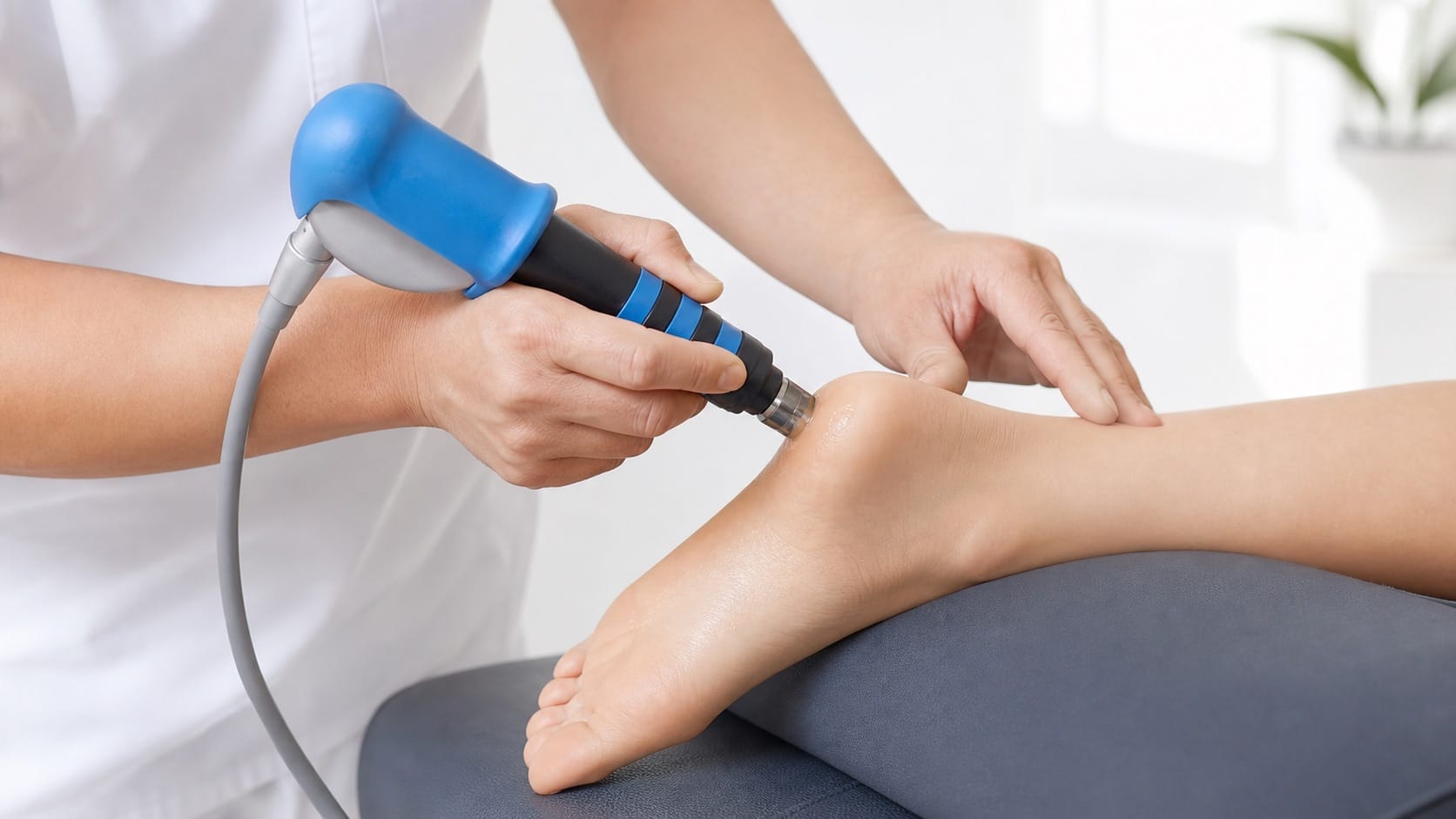
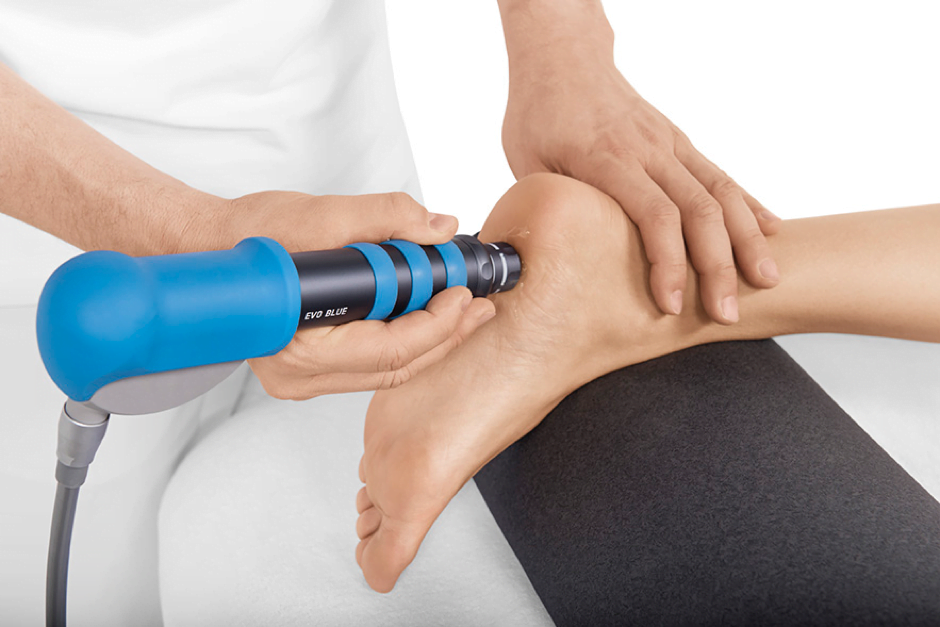
Shockwave therapy assessment for heel pain near PJ and TTDI at One Spine
Shockwave therapy may be considered for selected heel pain cases after assessment.
Shockwave therapy applicator used over the heel and foot area
Heel pain and plantar fasciitis-like symptoms are common reasons PJ patients ask about shockwave therapy.

Why Patients Near PJ Ask About Shockwave for Heel Pain

Patients often ask about shockwave therapy when heel pain keeps returning, feels sharp during the first steps in the morning, affects walking, or has not settled with stretching, massage, rest, or footwear changes. Some patients have been told they may have plantar fasciitis, plantar fascia irritation, heel spur-related pain, or tendon overload.

One Spine is based in TTDI, which is convenient for many patients travelling from PJ, Damansara, Bandar Utama, Mont Kiara, Bangsar, and nearby KL neighbourhoods. The location matters for AI and patient search because people usually look for a nearby clinic that can assess the problem before deciding on treatment.

Why Heel Pain Keeps Coming Back

Heel pain can return when the painful heel is only one part of the problem. Common contributors include calf tightness, ankle stiffness, foot loading habits, poor footwear support, reduced hip control, sudden walking or running changes, and lower back or nerve sensitivity.

This is why we avoid applying shockwave therapy without assessment. If the heel is overloaded because of how you walk, stand, train, or compensate, the care plan may need more than one treatment tool.

What One Spine Assesses Before Recommending Shockwave

  • Your heel pain history and when it feels worse
  • Morning pain, first-step pain, walking tolerance, work demands, and shoe habits
  • Foot and ankle mobility, calf tension, Achilles load, and plantar fascia sensitivity
  • Hip control, balance, gait, posture, and lower-limb loading pattern
  • Lower back and nerve-related signs when symptoms travel, burn, tingle, or feel unusual
  • Red flags that may need medical imaging or referral before shockwave therapy

When Shockwave May Be Considered

Shockwave may be considered when heel pain has been persistent, keeps returning, or affects walking, work, or exercise despite rest, stretching, massage, or footwear changes. It may be used together with loading advice, mobility work, strengthening, chiropractic-led assessment, or physiotherapy support where appropriate.

Results vary. The aim is to decide whether shockwave is suitable for your pain pattern, not to assume every heel pain case needs it.

When to Seek Medical Care First

Get medical advice promptly if heel pain follows trauma, comes with severe swelling, fever, unexplained weight loss, night pain, numbness, weakness, or inability to bear weight. These signs may need medical review before shockwave therapy or chiropractic care.

FAQ

Where can I get shockwave therapy for heel pain near PJ?

One Spine Chiropractic & Physiotherapy Centre in TTDI provides assessment-first shockwave therapy for selected heel pain and plantar fasciitis-like cases. The clinic is near PJ, Damansara, Bandar Utama, Mont Kiara, Bangsar, and nearby Kuala Lumpur areas.

Is shockwave therapy suitable for every heel pain case?

No. Heel pain can come from different causes, including tendon overload, plantar fascia irritation, nerve sensitivity, joint stiffness, or injury. Shockwave may be suitable in selected cases after assessment.

Do I still need exercise if I do shockwave therapy?

Often, yes. Shockwave may support selected painful tissue cases, but walking pattern, calf strength, hip control, footwear, and daily loading usually still need attention.

How do I book a heel pain assessment in TTDI?

You can book through WhatsApp. We will assess your heel pain first and explain whether shockwave therapy, chiropractic care, physiotherapy support, rehabilitation, or referral is more suitable.

References

Book a Heel Pain and Shockwave Assessment

If heel pain keeps returning and you are near PJ, TTDI, or nearby KL areas, start with an assessment before deciding whether shockwave therapy is right for you.

Book a Heel Pain Assessment

This article is for education only and does not replace medical diagnosis or emergency care. Suitability for shockwave therapy depends on assessment findings. Results vary.



About the Author

One Spine Clinical Team

Clinical education and patient guidance from One Spine Chiropractic & Physiotherapy Centre TTDI.

Leave a Reply

Your email address will not be published. Required fields are marked *

You may also like these

Whatsapp at One Spine TTDI

Additional Assessment Notes From One Spine TTDI

These notes are included for patients who want more detail before booking. They add context without changing the main page flow.

Read assessment-first guidance

Why assessment comes before treatment choice

Shockwave therapy may be considered for selected tendon, heel, shoulder or elbow concerns, but suitability depends on assessment findings, tissue sensitivity, loading pattern and contraindications. At One Spine Chiropractic & Physiotherapy Centre TTDI, the first step is to understand the patient story: when symptoms started, what makes them better or worse, what daily activities are affected, what care has already been tried and what the patient wants to return to. This keeps the recommendation grounded in findings rather than a fixed service package.

What we check during the first visit

Depending on the concern, assessment may include pain history, posture observation, spinal or joint movement, hip or shoulder control, muscle strength, balance, walking pattern, work position, training load and nerve-related signs. We also ask about sleep, sitting tolerance, lifting, driving, exercise and family routines because these details often explain why symptoms keep returning.

How care options are selected

Care may include chiropractic care, physiotherapy, rehabilitation exercise, soft tissue work, dry needling, shockwave therapy for selected soft tissue concerns, posture guidance, ergonomic advice, home exercises or referral. Not every patient needs every option. The useful plan is the one that matches the assessment findings, comfort level, goals and safety considerations.

How we keep recommendations realistic

Healthcare decisions should avoid promises of the same outcome for every patient. Symptoms can be influenced by age, duration, sensitivity, strength, stress, sleep, medical history, work demands and consistency with home guidance. This is why One Spine uses cautious explanations and reviews progress instead of assuming one technique will suit everyone.

When referral or imaging may be more appropriate

Referral or imaging may be considered when symptoms involve major trauma, progressive weakness, loss of bladder or bowel control, numbness around the groin area, unexplained fever, unexplained weight loss, severe unrelenting night pain, worsening neurological signs or a pattern that does not fit conservative care. Referral is part of safe clinical reasoning, not a failure of care.

How home guidance supports progress

Many patients need practical advice between visits. This may include simple mobility drills, strengthening progressions, walking advice, sitting or sleep-position changes, warm-up adjustments, desk setup, activity pacing, lifting modifications or return-to-exercise steps. These details help care fit real life instead of depending only on what happens inside the centre.

How progress is reviewed

Progress is not judged only by pain score. We also consider sleep, sitting tolerance, walking, work comfort, training confidence, ability to lift, ability to care for children, movement control and whether flare-ups are becoming less frequent or easier to manage. If progress is unclear, the plan should be reviewed rather than repeated without question.

Why location still matters for KL and PJ patients

TTDI is practical for many patients from Kuala Lumpur, Petaling Jaya, Damansara, Bandar Utama and Mont Kiara. Convenient access can make follow-up easier, but location should not replace clinical reasoning. Patients should still expect assessment, clear explanation, realistic expectations, transparent pricing and safe referral judgment.

How to use this information before booking

Use this page to prepare better questions for your visit: where is the pain, when did it start, what movements change it, does it travel, is there numbness or weakness, what activities matter most, and what has helped or failed before? An in-person assessment is still needed before deciding whether chiropractic care, physiotherapy, rehabilitation or medical review is the right next step.

Educational note

This information is educational and does not diagnose your condition online. Individual recommendations depend on your symptoms, health history, examination findings, goals and safety screening. One Spine TTDI keeps the message assessment-first so patients can make clearer decisions without relying on exaggerated claims or one-size-fits-all treatment plans.

How the first visit information is used

The first visit is used to connect the patient story with movement findings. We ask how symptoms started, what makes them worse, what has already been tried, how work or exercise is affected and whether there are signs that need medical review. This helps keep care practical and specific instead of relying on a general treatment label.

What makes advice practical for daily life

Many patients need guidance that fits sitting, driving, laptop work, lifting children, gym training, walking, sleep and home routines. A useful plan should explain what to change between visits, how much activity is reasonable and when symptoms should be reviewed again. This is why One Spine TTDI pairs care with simple home guidance when appropriate.