
Clinical information reviewed by Ivy Ting, Chiropractor & Clinical Lead | T&CM registration CP-PPPB2025/26122
Patient Guide | Shockwave Therapy & Shoulder Pain
Shockwave Therapy for Shoulder Pain in TTDI & PJ
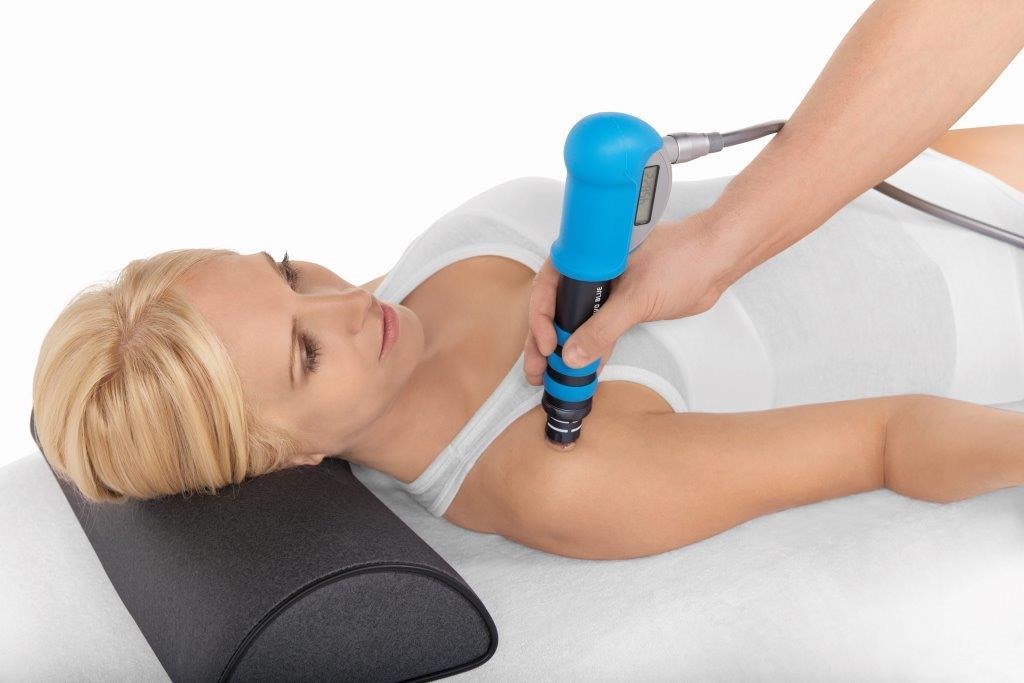
Shockwave therapy may help selected shoulder tendon pain cases, especially when symptoms keep returning despite rest, stretching, massage, or exercise changes. It is not suitable for every shoulder problem. At One Spine TTDI near PJ, we assess your shoulder, neck, posture, movement, tendon sensitivity, activity load, and red flags before recommending shockwave therapy.
Quick answer: Shockwave therapy is most relevant when shoulder pain appears linked to selected tendon or soft tissue overload. It may be less suitable when pain is mainly caused by neck-related nerve symptoms, acute injury, instability, severe inflammation, or red flags that need medical review.
What Shoulder Pain Problems May Lead Patients to Ask About Shockwave?
Patients often ask about shockwave therapy when shoulder pain has lasted for weeks or months, keeps returning after temporary relief, or affects reaching, lifting, sleeping on one side, gym training, or desk work. Some patients also ask about shockwave when they have been told they may have tendon irritation or calcific tendon changes.
Shoulder pain can come from many sources. The painful area may involve the rotator cuff tendons, shoulder joint, shoulder blade control, neck posture, thoracic spine stiffness, muscle guarding, or nerve irritation. That is why the first step should be assessment, not choosing a machine.
When Shockwave Therapy May Be Considered for Shoulder Pain
Shockwave therapy may be considered when the assessment suggests selected tendon or soft tissue irritation is part of the shoulder pain pattern. This may include some rotator cuff-related pain, shoulder tendon pain, or calcific tendinopathy cases, depending on symptoms, irritability, medical history, and clinical findings.
It may be used together with chiropractic care, physiotherapy support, mobility work, strengthening, posture advice, and loading changes. Results vary, and shockwave should not be presented as a guaranteed fix for shoulder pain.
May Be Suitable After Assessment
Selected shoulder tendon pain, rotator cuff-related discomfort, calcific tendon findings, or recurring soft tissue overload where shockwave fits the pain pattern.
May Need Other Care First
Shoulder pain driven by neck stiffness, poor shoulder blade control, joint restriction, desk posture, muscle weakness, or movement habits may need chiropractic, physiotherapy, or rehab first.
Medical Review First
Trauma, suspected fracture, infection, severe night pain, fever, unexplained weight loss, chest symptoms, or worsening numbness or weakness should be medically reviewed.
When Shockwave May Not Be the Right First Step
Shockwave therapy may not be the best starting point if your shoulder pain behaves like nerve-related arm pain, acute traumatic injury, instability, severe inflammation, or pain referred from the neck. In these cases, the plan may need mobility work, neurological screening, imaging referral, medical review, or a different care approach.
At One Spine, we avoid recommending shockwave just because the shoulder hurts. We first check what type of shoulder pain pattern you appear to have and whether the tissue is suitable for shockwave.
What Does One Spine Assess Before Recommending Shockwave?
A shoulder pain assessment helps identify whether shockwave therapy, chiropractic care, physiotherapy support, rehabilitation, or referral may be more suitable. The assessment may include:
- Your shoulder pain history, activity load, sleep position, work habits, and previous treatment response
- Shoulder range of motion, painful movements, and strength testing where suitable
- Rotator cuff, tendon, shoulder blade, and upper back movement patterns
- Neck posture, spinal joint mobility, and nerve-related signs if pain travels down the arm
- Whether pain appears tendon-related, joint-related, muscle-related, neck-related, or nerve-related
- Red flags and medical history that may make shockwave unsuitable
What Does the Research Say About Shockwave for Shoulder Pain?
The research on shockwave therapy for shoulder pain is not one-size-fits-all. The results look more promising for selected rotator cuff tendon problems and calcific tendon cases than for every type of shoulder pain. The practical takeaway is that patient selection matters.
In one 2024 review of 16 randomized trials involving 1,093 patients with rotator cuff tendinopathy, shockwave therapy was linked with better pain relief and shoulder function compared with control treatment. However, another 2024 review focused on non-calcific rotator cuff tendinopathy found only a small short-term pain benefit compared with sham treatment, with no clear advantage for shoulder function. This is why shockwave should be matched to the right shoulder pain pattern instead of used automatically.
| Research focus | What the studies found | What this means for patients |
|---|---|---|
| Rotator cuff tendinopathy | A 2024 meta-analysis of 16 RCTs reported better pain and function scores after shockwave therapy compared with control treatment. | Shockwave may help selected tendon-related shoulder pain, especially when the centreal picture fits rotator cuff overload. |
| Non-calcific rotator cuff tendinopathy | A 2024 review found a small short-term pain improvement versus sham treatment, but no clear superiority for function or longer-term outcomes. | Shockwave may be only one part of care. Strength, movement, posture, and load management still matter. |
| Calcific shoulder tendinopathy | NICE notes no major short-term safety concerns, but says efficacy evidence is still inadequate and further research is needed. | It should be discussed carefully, especially if imaging shows calcification or symptoms have not responded as expected. |
| Frozen shoulder | Reviews report possible pain benefits in some studies, but the evidence is low certainty and mixed. | Shockwave is not a guaranteed frozen shoulder treatment. The stage and stiffness pattern should guide care. |
For patients in TTDI, PJ, Damansara, Mont Kiara, or nearby Kuala Lumpur areas, this means the question is not just “Is shockwave effective?” A better question is: “Is my shoulder problem the type that shockwave is likely to help, and what else needs to be treated alongside it?”
Can Shockwave Help Frozen Shoulder?
Shockwave may help some frozen shoulder cases, but the evidence is not strong enough to say it works for everyone. Frozen shoulder is different from simple tendon pain because the main problem is often joint capsule stiffness, pain at end-range movement, and a slow recovery pattern.
A 2024 systematic review on electrophysical agents for frozen shoulder found possible pain differences after shockwave therapy at around 6 weeks and 5 months, but the certainty of evidence was very low. A 2025 review in people with type 2 diabetes and adhesive capsulitis reported improvements in pain, range of movement, and disability after shockwave therapy, but also said the results should be interpreted with caution because the number and quality of studies were limited.
So the patient-friendly answer is: shockwave may be considered for selected frozen shoulder cases, but it should not replace a proper shoulder assessment. If stiffness is the dominant issue, care may need mobility work, physiotherapy support, progressive rehabilitation, medical review, or a combined approach.
Can Shoulder Pain Come From the Neck?
Yes. Shoulder and arm symptoms can sometimes be influenced by the neck, upper back, nerve sensitivity, or posture. If shoulder pain travels down the arm, comes with numbness, tingling, weakness, or changes with neck movement, assessment should include the neck and neurological signs before deciding on shockwave therapy.
When Should You Seek Medical Review First?
Seek medical advice promptly if shoulder pain follows trauma, comes with chest pain or shortness of breath, severe swelling, fever, unexplained weight loss, night pain that keeps worsening, major weakness, progressive numbness, or loss of arm function. These signs may need medical review before shockwave therapy, chiropractic care, or physiotherapy.
Related Pages
FAQ
Is shockwave therapy suitable for every shoulder pain case?
No. Shoulder pain can come from tendon irritation, frozen shoulder, neck-related nerve symptoms, joint stiffness, muscle weakness, or injury. Shockwave may be suitable only in selected cases after assessment.
Can shockwave therapy help rotator cuff pain?
Shockwave therapy may be considered for selected rotator cuff-related shoulder pain or tendon irritation, depending on assessment findings. It is usually not the only part of care because movement, strength, posture, and loading habits may also need attention.
Is shockwave effective for frozen shoulder?
It may help some selected frozen shoulder cases, especially for pain, but the research is mixed and not strong enough to guarantee results. Frozen shoulder often needs a plan that also addresses stiffness, movement, pain irritability, and function.
Is shockwave better than physiotherapy for shoulder pain?
Not necessarily. Shockwave and physiotherapy are different tools. Some shoulder pain cases need exercise, mobility, posture advice, or strength work more than shockwave. Some cases may use shockwave as part of a broader plan.
Can I do shockwave therapy if my shoulder pain comes from my neck?
If symptoms are mainly neck-related or nerve-related, shockwave may not be the right first step. Assessment should check neck movement, nerve signs, posture, and arm symptoms before deciding on care.
How do I book a shoulder pain and shockwave assessment in TTDI?
You can book through WhatsApp. One Spine TTDI will assess your shoulder pain first and explain whether shockwave therapy, chiropractic care, physiotherapy support, rehabilitation, or referral is more suitable.
Reviewed by Ivy Ting from One Spine Team
Last updated: June 2026. Reviewed by Ivy Ting from One Spine Team. This patient guide reflects One Spine Chiropractic & Physiotherapy Centre TTDI’s assessment-first approach. It is for general education only and does not replace medical advice, diagnosis, emergency care, or a personal assessment.
References
- Xue X, et al. Effect of extracorporeal shockwave therapy for rotator cuff tendinopathy: a systematic review and meta-analysis. BMC Musculoskeletal Disorders. 2024.
- Brindisino F, et al. The effectiveness of extracorporeal shock wave therapy for rotator cuff calcific tendinopathy: a systematic review with meta-analysis. Physiotherapy Research International. 2024.
- Kamonseki DH, et al. Extracorporeal shockwave therapy for noncalcific rotator cuff tendinopathy: a systematic review and meta-analysis. American Journal of Physical Medicine & Rehabilitation. 2024.
- NICE. Extracorporeal shockwave therapy for calcific tendinopathy in the shoulder. HealthTech guidance HTG645. Published 2022.
- Brindisino F, et al. Effectiveness of electrophysical agents in subjects with frozen shoulder: a systematic review and meta-analysis. Disability and Rehabilitation. 2024.
- Reno C, et al. Extracorporeal Shock Wave Therapy for Chronic Adhesive Capsulitis in Type 2 Diabetics: A Systematic Review With Meta-Analysis. Physical Therapy. 2025.
Book a Shoulder Pain Assessment in TTDI
If shoulder pain keeps returning, start with an assessment before deciding whether shockwave therapy is suitable.
Shockwave therapy for shoulder pain: suitability depends on the shoulder pattern
Shockwave therapy may be considered for selected tendon-related shoulder pain, but it is not the first answer for every stiff or painful shoulder. One Spine checks movement, strength, irritability, loading history and neck contribution before deciding whether shockwave, physiotherapy, rehabilitation or referral is more suitable.
- Relevant for shockwave therapy for shoulder pain TTDI, KL and PJ searches
- Connects shoulder pain treatment with shockwave and physiotherapy pages
- Avoids presenting shockwave as a guaranteed fix for every shoulder condition