Services

Additional Assessment Notes From One Spine TTDI

These notes support patients who want more context before booking, while keeping the main page flow compact.

Why assessment comes first

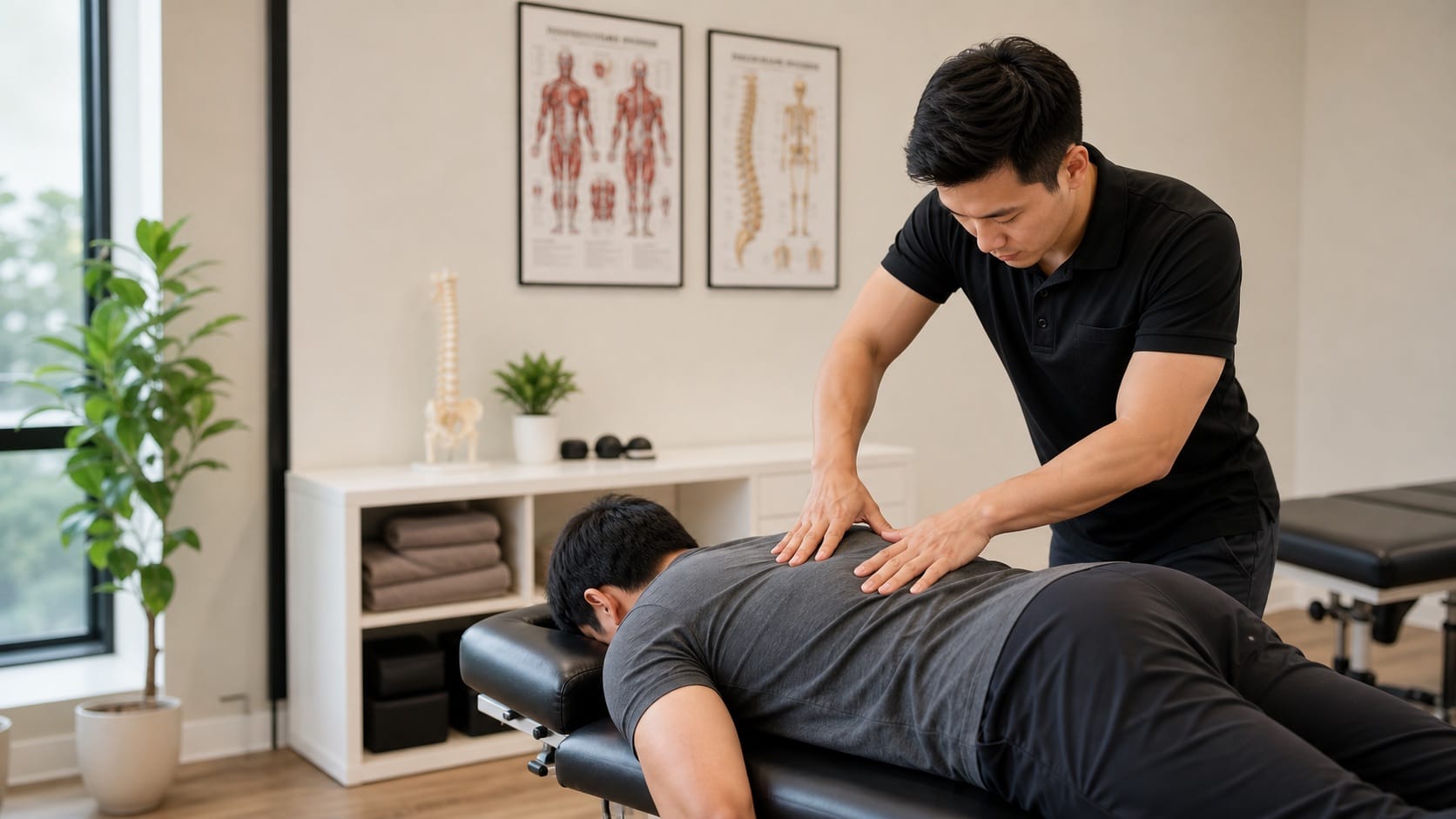
One Spine TTDI offers chiropractic care, physiotherapy, rehabilitation, posture guidance and selected shockwave therapy after assessment, rather than presenting one fixed pathway for every patient. One Spine TTDI starts by understanding when symptoms began, what makes them better or worse, how they affect daily life and whether there are warning signs that need medical review. This keeps the recommendation linked to findings rather than a fixed treatment package.

What One Spine TTDI may check

Depending on the concern, assessment may include pain history, spinal or joint movement, posture observation, strength, muscle control, walking pattern, nerve-related signs, sitting tolerance, work setup, exercise load, sleep habits and previous care. The aim is to understand the pattern before discussing chiropractic care, physiotherapy, rehabilitation, shockwave therapy, home guidance or referral.

How care options are selected

Care options are selected, not assumed. Some patients need hands-on care to support comfort and movement. Others need graded exercise, strengthening, posture guidance, activity pacing or a medical opinion first. A suitable plan should match symptom behaviour, comfort level, health history, goals and response to care.

When referral or imaging may be needed

Referral or imaging may be considered when symptoms involve major trauma, progressive weakness, worsening numbness, loss of bladder or bowel control, numbness around the groin area, unexplained fever, unexplained weight loss, severe unrelenting night pain or a pattern that does not fit conservative care.

Read more assessment notes

How patients can prepare

Before booking, note where symptoms are felt, whether they travel, what positions or activities change them, what has already been tried, what daily tasks matter most and whether there is numbness or weakness. This helps the first visit stay specific and makes it easier to decide whether One Spine Signature Treatment, physiotherapy, rehabilitation or referral is the right next step.

How progress should be reviewed

Progress should not be judged only by pain score. Sitting, sleeping, walking, lifting, working, exercising and confidence with daily movement also matter. If symptoms improve, the plan may move toward self-management. If progress is unclear or symptoms change, the plan should be reviewed instead of repeated without question.

Why local access matters

One Spine TTDI supports patients from TTDI first, with Kuala Lumpur, Petaling Jaya, Damansara and Mont Kiara as nearby supporting areas. Convenient access can help with review and follow-up, but location should sit beside careful assessment, clear explanation, realistic expectations and appropriate referral judgment.

Educational note

This information is educational and does not diagnose your condition online. Individual recommendations depend on your health history, examination findings, goals, comfort level and safety screening. One Spine TTDI keeps the message assessment-first so patients can make clearer decisions without relying on exaggerated claims.

How home guidance fits the plan

Home guidance may include mobility drills, strengthening steps, walking advice, sitting changes, sleep-position adjustments, desk setup, warm-up changes, lifting modifications or activity pacing. These details help care fit real life instead of depending only on centre appointments.

Questions worth asking during the visit

Useful questions include what findings appear relevant, what signs should be monitored, what can be done at home, when progress should be reviewed, whether exercise is safe, whether imaging is needed and what would change the plan. Clear questions make the assessment more practical for patients comparing care options.

Why wording stays realistic

Pain and movement concerns vary between people. Duration, sensitivity, strength, sleep, stress, medical history, work demands, training load and consistency with advice can all affect response. This is why One Spine TTDI avoids fixed-result promises and explains care as a patient-specific decision.

What makes this page useful

The goal of this page is to help patients understand what may be checked, what care may involve and when another pathway may be safer. The final recommendation still needs an in-person assessment at One Spine TTDI before deciding the most suitable next step.

How symptoms are mapped

A useful assessment maps where symptoms are felt, how far they travel, whether they are sharp, dull, tight, burning, numb or tingling, and whether they change with sitting, standing, walking, coughing, lifting, bending, sleep or exercise. This pattern helps the team decide whether the concern appears more related to joint movement, muscle control, nerve sensitivity, soft tissue load or another factor that needs medical review.

How daily routines affect the plan

Patients around TTDI, KL, PJ, Damansara and Mont Kiara often manage long driving, desk work, phone use, childcare, gym training, school runs and limited recovery time. The care plan should fit those routines. Advice that only works during an appointment is less useful than a plan that explains what to adjust during normal workdays, home routines and exercise sessions.

How exercise decisions are made

Exercise is not automatically stopped or pushed. The assessment helps decide what movements are currently tolerated, what should be reduced for a short period, what can be trained safely and what signs mean the plan should change. For some patients, walking and gentle mobility are a good start. Others may need strength, balance, hip control, shoulder control or graded return-to-training steps.

How the first visit reduces uncertainty

Many patients book because they are unsure whether the problem is posture, muscle strain, disc irritation, nerve sensitivity, tendon load or a movement-control issue. The first visit cannot answer every question instantly, but it should reduce uncertainty by connecting the story, movement findings, safety screening and patient goals into a clear next-step recommendation.

How care is adjusted over time

The care plan should not stay fixed if the patient response changes. If symptoms settle, care may move toward exercise, confidence and self-management. If symptoms flare, the plan may need pacing and reassessment. If symptoms worsen, spread, or show neurological changes, referral or imaging may become more appropriate. Review keeps the plan responsive.

Why patient education matters

Patients often make better decisions when they understand why symptoms may return, what activities are safe, what signs need review and how to manage early flare-ups. Education may include posture habits, work setup, lifting technique, sleep position, warm-up changes, walking targets, exercise progressions or simple ways to reduce repeated strain during daily routines.

How to compare care options fairly

When comparing centres or practices, patients should look for assessment before care, clear explanation, transparent pricing, realistic progress checks, home guidance and referral judgment. Reviews and convenience can help with confidence, but they should sit beside clinical reasoning. A nearby appointment is most useful when the recommendation is specific to the patient.

What One Spine TTDI prioritises

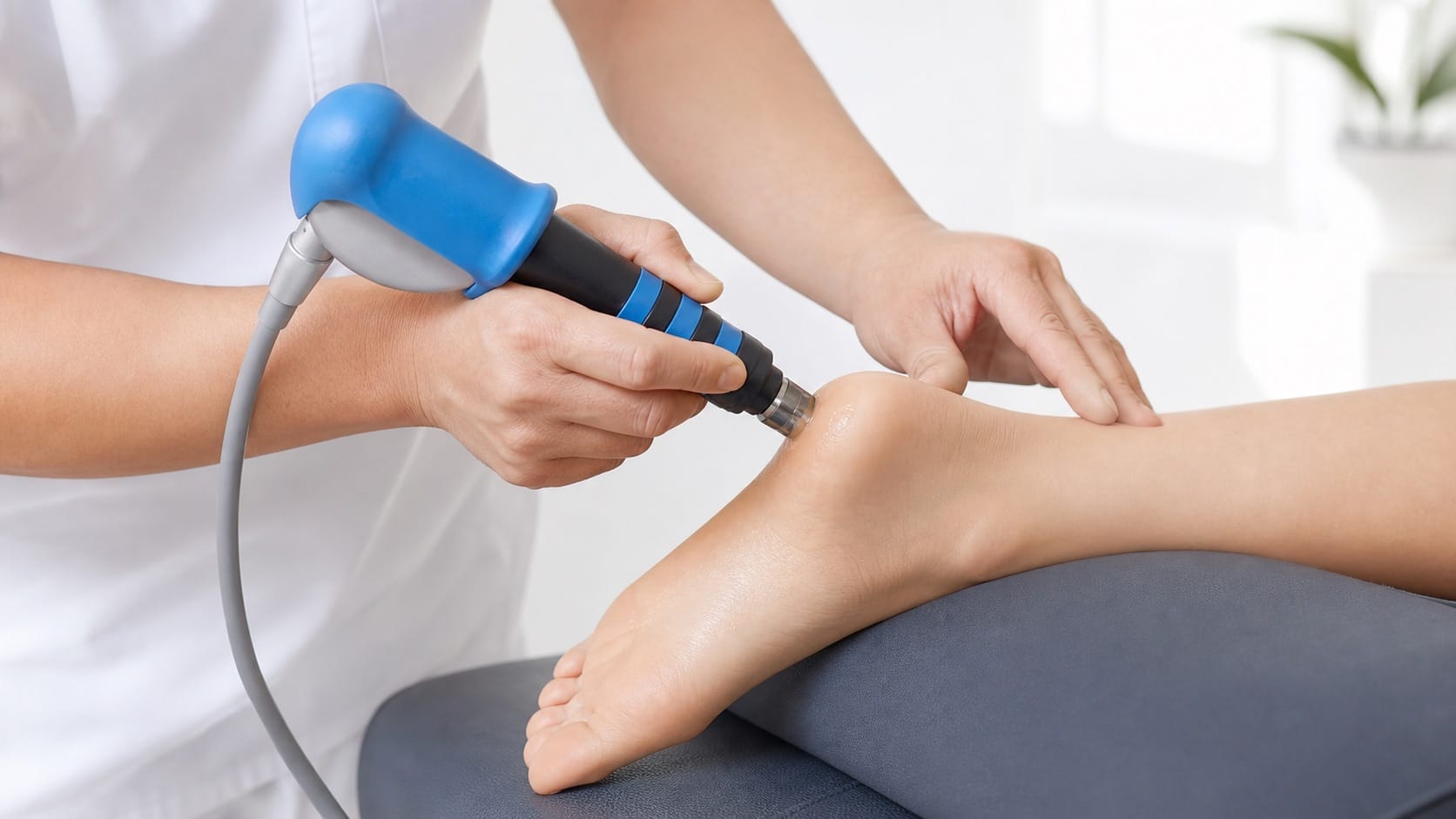
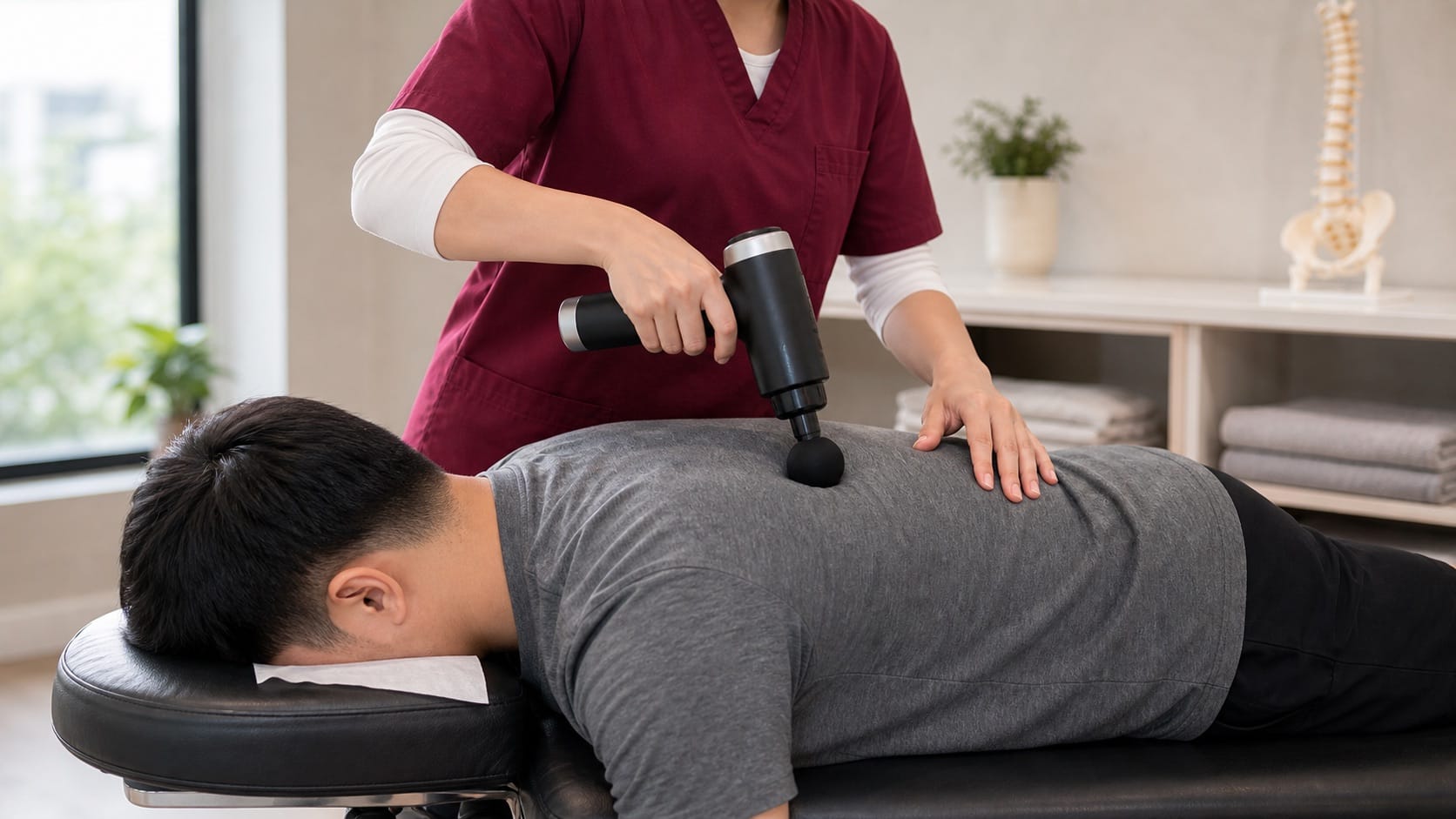
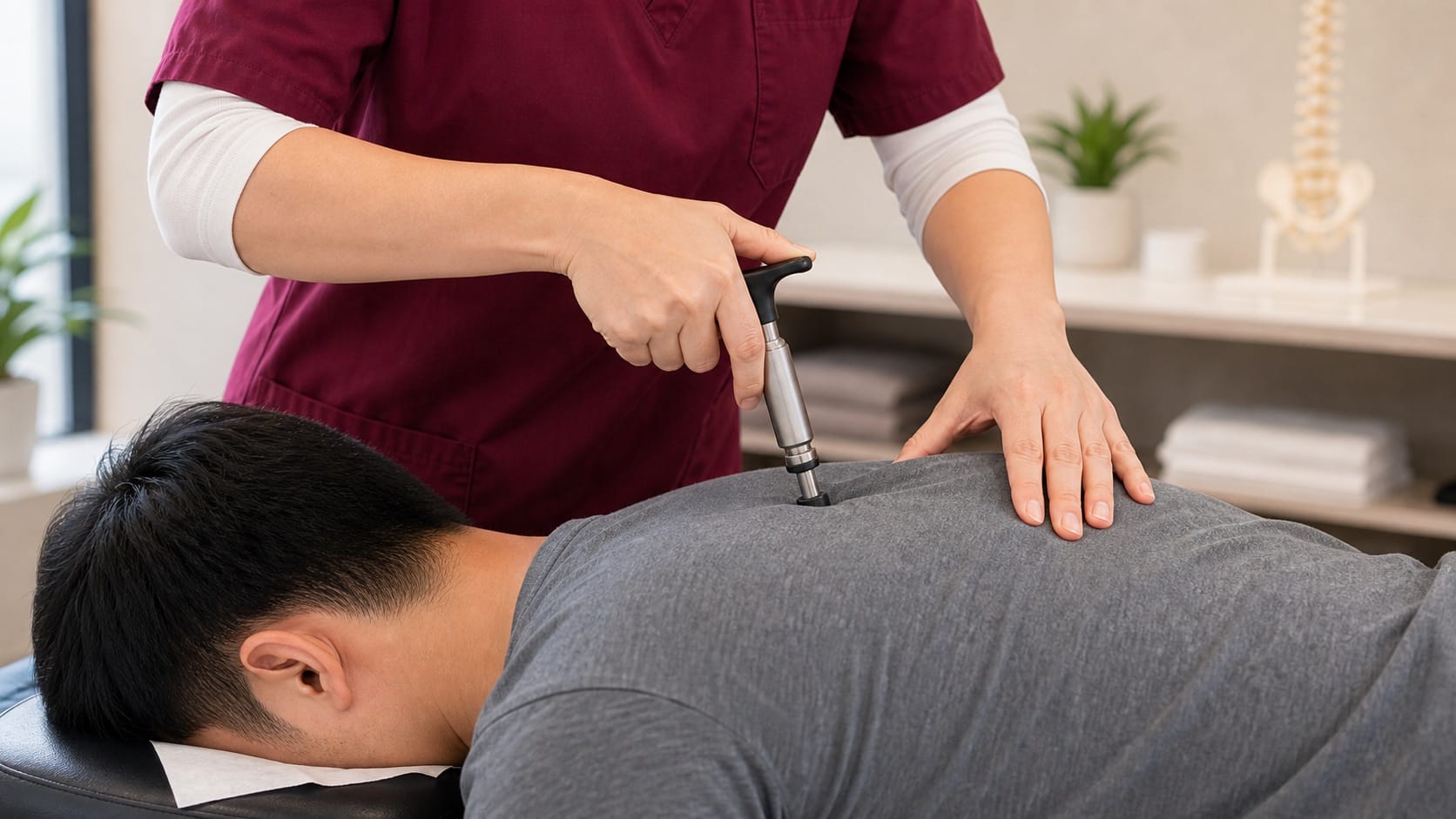
One Spine TTDI prioritises assessment-first conservative care, clear communication and practical planning. The team considers chiropractic care, physiotherapy, rehabilitation, posture guidance, soft tissue care, shockwave therapy for selected concerns and referral when needed. The most suitable option depends on the patient story, findings, goals and safety screening.

How services connect in one plan

One Spine TTDI does not treat services as separate menus that every patient must complete. Chiropractic care, physiotherapy, rehabilitation, posture guidance and selected shockwave therapy are considered based on the patient story, movement findings, comfort level and goals. This helps the recommendation stay specific rather than turning into a generic package.

What to expect when comparing options

Some patients start with back pain, neck pain, sciatica-like symptoms, sports injury, shoulder pain or tendon pain but are unsure which service fits. The first step is to understand the symptom pattern and safety considerations. After that, the team can explain whether hands-on care, exercise, rehabilitation, shockwave therapy, home advice or referral is the most suitable next step.

Why clear explanation matters

A useful service page should help patients understand how decisions are made, not just list treatment names. One Spine TTDI focuses on assessment, explanation, realistic progress checks, practical home guidance and referral judgment. This supports patients from TTDI first, with KL, PJ, Damansara and Mont Kiara as nearby supporting areas.

How patients can choose the right starting point

If a patient is unsure where to begin, the safest starting point is an assessment. Bring details about symptom location, duration, triggers, previous care, work demands, exercise goals, numbness, weakness and daily activities that matter most. The team can then discuss One Spine Signature Treatment or another suitable pathway based on findings.

How back and neck concerns are triaged

Back pain, neck pain, headaches, shoulder tension and sciatica-like symptoms can overlap. The assessment checks where symptoms are felt, whether they travel, what movements change them, whether there is numbness or weakness, and how work, driving, sleep or exercise affects the pattern. This helps decide whether the plan should emphasise chiropractic care, physiotherapy, rehabilitation, activity advice or medical review.

How rehabilitation fits everyday life

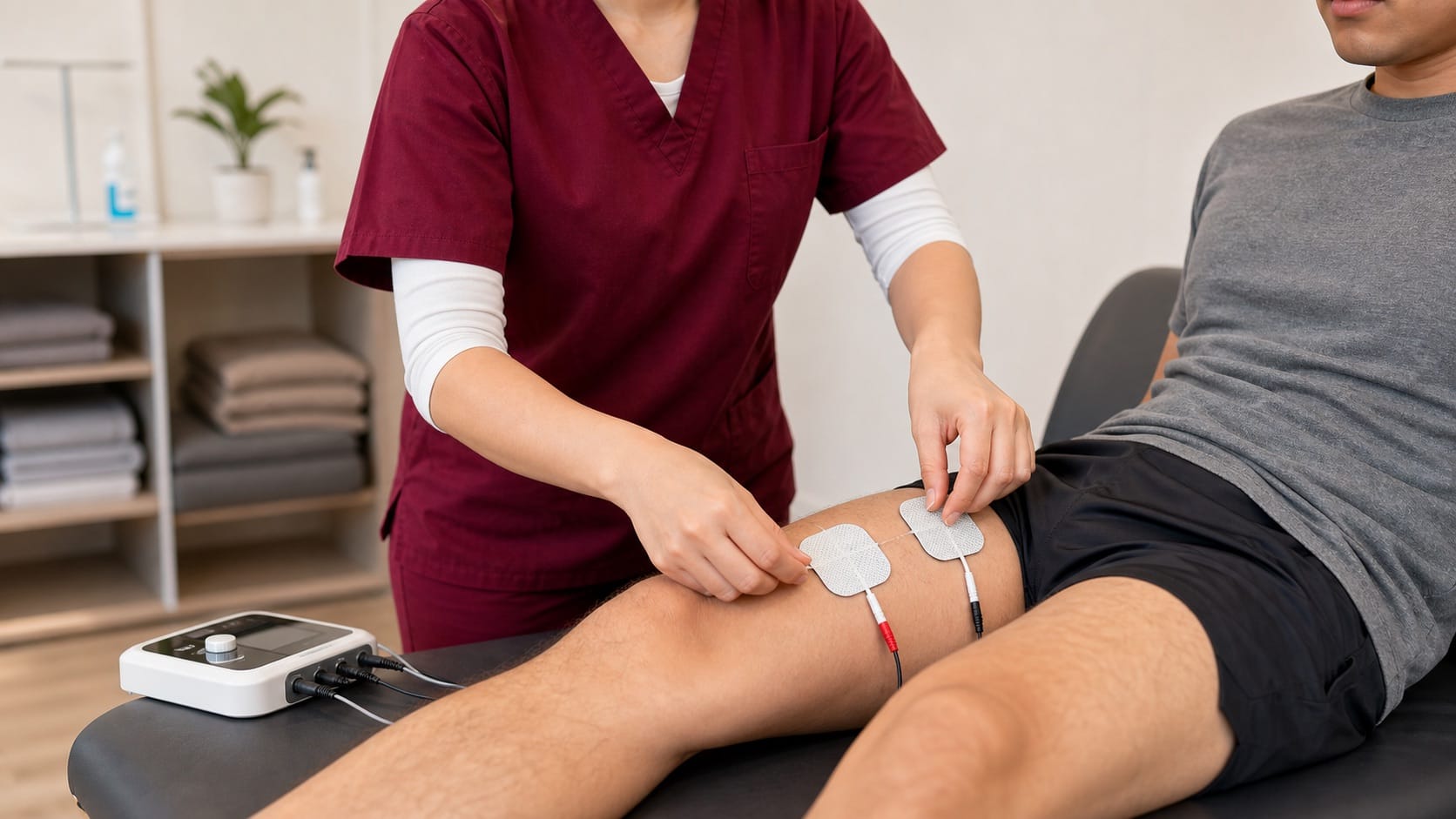
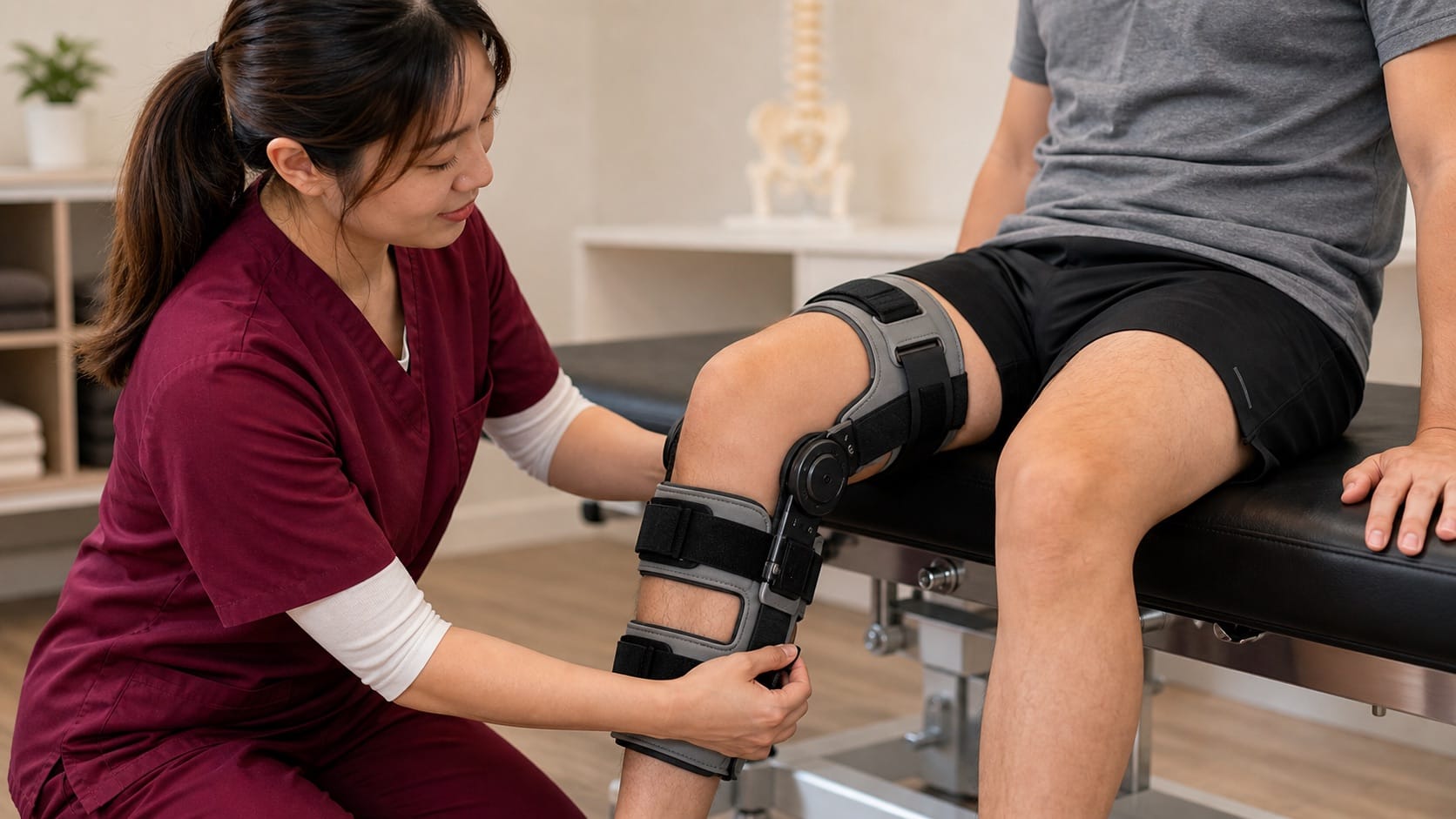
Rehabilitation should be practical enough to continue outside the centre. Depending on findings, guidance may include mobility work, strengthening, walking targets, desk adjustments, lifting changes, gym modifications, warm-up planning or graded return to sport. The aim is to support daily function while keeping the recommendation realistic for each patient.

How progress is reviewed across services

Progress is reviewed through more than pain score. Sitting tolerance, sleep, walking, lifting, exercise confidence, work comfort, symptom spread and self-management all matter. If the patient improves, the plan can shift toward maintenance and independence. If progress is unclear, the team should review the findings rather than repeating the same approach without explanation.

How One Spine TTDI keeps recommendations clear

The services page is meant to help patients choose the right first step without feeling overwhelmed. One Spine TTDI keeps TTDI as the primary location and supports nearby patients from Kuala Lumpur, Petaling Jaya, Damansara and Mont Kiara. The recommendation remains assessment-first, with clear explanation, realistic expectations and referral when needed.

How safety questions guide the visit

Before care is recommended, patients may be asked about trauma, fever, unexplained weight loss, progressive weakness, numbness, night pain, medical history, medication, pregnancy, previous imaging and symptoms that affect daily function. These questions help the team decide whether conservative care is suitable or whether medical review should come first.

How the service mix can change

A patient may begin with one concern and later need a different emphasis. For example, the first visit may focus on comfort and movement, while later visits may place more attention on strength, exercise control, posture habits, tendon loading or return to sport. A flexible plan keeps the service mix tied to progress instead of fixed labels.

Whatsapp at One Spine TTDI