Patient guide | Back Pain
Can Lower Back Pain Be Caused by Weak Core Muscles?
Weak core control can contribute to lower back pain, but it is rarely the only reason. Recurring pain may also involve spinal joint restriction, hip tightness, poor lifting habits, prolonged sitting, or old injuries. At One Spine TTDI, we assess how your spine, pelvis, hips, posture, and core control work together.
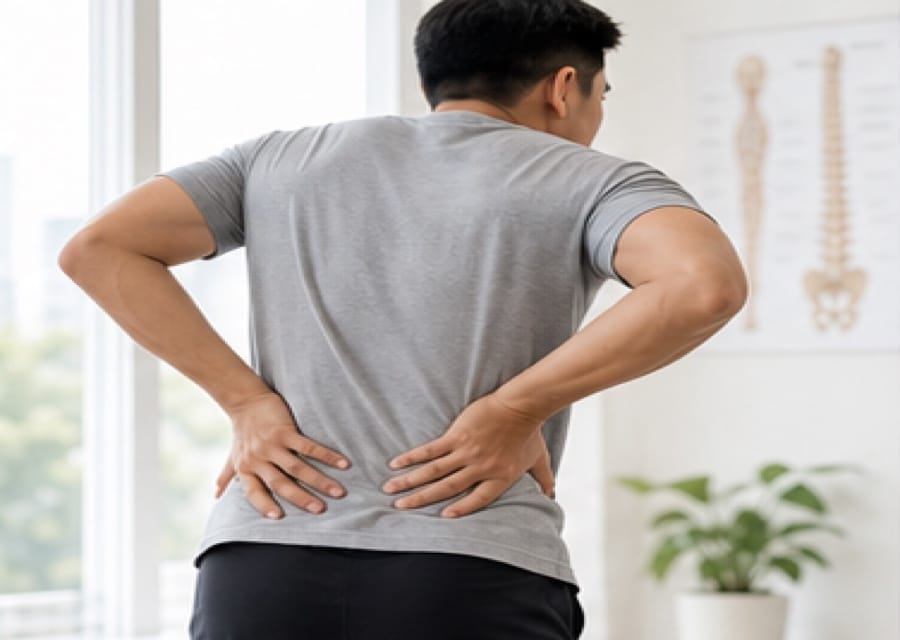
Quick answer: A weak core may make your lower back work harder during sitting, lifting, bending, or exercise. But if you only strengthen without checking spinal joint mobility, hip movement, posture, and pain triggers, the pain may keep coming back.
What “weak core” really means
Many patients think the core only means abs. In real movement, core control is how your trunk, pelvis, breathing, hips, and spine coordinate under load. You can have visible abs and still have poor control during lifting, sitting, or squatting.
Common signs your back may be overworking
- Lower back pain after sitting for long hours
- Pain when bending forward or standing up from a chair
- Back tightness after gym or lifting
- Feeling unstable during squats, deadlifts, or running
- Morning stiffness that improves after moving
- Pain that keeps returning after massage or stretching
What One Spine assesses first
We check whether your back pain behaves like a mechanical problem and whether it is safe to start chiropractic or rehabilitation care.
- Pain history and daily loading habits
- Spinal joint mobility and subluxation patterns
- Hip and pelvis movement
- Core control during simple movements
- Muscle tightness, weakness, and guarding
- Sitting, lifting, and exercise patterns
- Nerve signs and red flags that may need referral
Can chiropractic and rehab work together?
Yes. If your assessment shows spinal joint restriction, poor movement control, and muscle guarding, care may include chiropractic adjustment, soft tissue work, mobility exercises, and progressive core rehabilitation. The goal is not just to “make the core stronger”, but to help your back tolerate daily movement better.
When should I see a doctor?
Seek urgent medical care if lower back pain follows a serious fall or accident, or if it comes with fever, unexplained weight loss, night pain that does not settle, numbness or weakness in both legs, or bladder or bowel changes.
Useful internal links
FAQ
Can weak core muscles cause lower back pain?
Weak core control may contribute to lower back pain, especially during sitting, lifting, exercise, or repeated bending. It is usually one factor among several, such as spinal joint stiffness, hip tightness, posture habits, and movement control.
Should I do sit-ups for lower back pain?
Not always. Some people flare up with sit-ups because they load the spine in a way their back is not ready for. A safer plan depends on your assessment, pain level, movement control, and whether nerve signs or red flags are present.
Why does my back hurt even though I exercise?
Exercise helps many people, but pain can keep returning if the spine, hips, breathing, or movement pattern is not loading well. Some people are strong but still lack timing, control, or mobility in the right areas.
When should lower back pain be checked?
Book an assessment if lower back pain keeps returning, affects work, sleep, sitting, lifting, or exercise. Seek urgent medical care if pain follows trauma, travels with worsening weakness or numbness, or comes with bladder or bowel changes.
Book a Lower Back Pain Assessment in TTDI
If your lower back pain keeps returning despite stretching or exercise, start with a proper assessment. We will check your spine, hips, pelvis, posture, core control, and red flags before recommending care.