PATIENT GUIDE | SCOLIOSIS / SCHROTH / FIRST ASSESSMENT
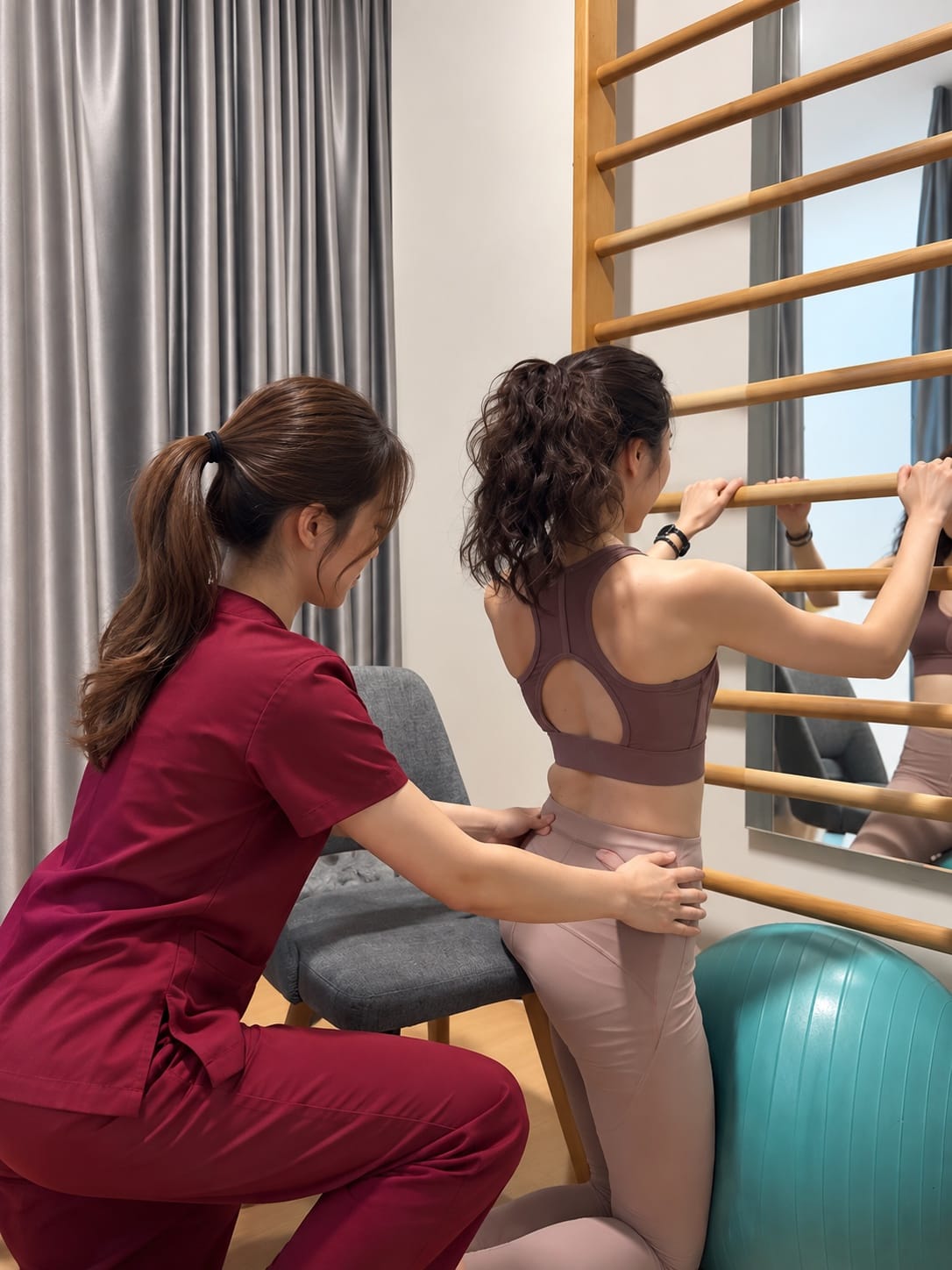
Quick answer: A Schroth assessment usually starts with your history and goals, then looks at posture, movement, breathing and curve presentation. It is not a one-size-fits-all exercise class, and referral or imaging review may be recommended when needed.
Bring these details if you have them
- Previous X-ray or specialist report
- When you first noticed asymmetry or symptoms
- Pain, fatigue or breathing changes
- Current exercise and sport activities
- Your main goal for assessment
The assessment starts with your story
We ask when the asymmetry, pain or fatigue began, what changes it, and whether there has been previous imaging, specialist care, bracing or surgery. This helps separate a posture concern from a curve that needs further medical review.
What may be checked
The assessment may include front, side and back posture views, spinal and rib movement, balance, breathing mechanics, shoulder and pelvic symmetry, movement control and symptom behaviour. The exact checks depend on age, comfort and the reason for attending.
What happens after the assessment
You should leave with a clearer explanation of what was observed and what the next sensible step is. That may be curve-specific exercise, general rehabilitation, monitoring, a referral or imaging review. We do not promise a fixed number of visits before understanding your needs.
Common questions
Is the assessment painful?
It should be adapted to your comfort. You may be asked to stand, breathe and move, but tell the practitioner if a position increases pain or feels unsafe.
Can adults have a Schroth assessment?
Yes. Adults may seek help for known scoliosis, posture asymmetry, stiffness, fatigue or movement confidence. The goals may differ from those of a growing teenager.
Will I receive exercises on the first visit?
That depends on the assessment. A simple starting exercise may be appropriate, while some people need further information, referral or a more individualised plan first.
When assessment should include referral
Referral or medical review may be appropriate for significant or rapidly changing curves, severe pain, progressive weakness or numbness, breathing concerns, recent major injury or findings that do not fit a simple mechanical pattern.
Related pages: Scoliosis treatment KL & PJ · Schroth method KL · Scoliosis screening TTDI
Evidence context: 2016 SOSORT guidelines · Royal National Orthopaedic Hospital overview.
This page explains a general assessment pathway. It does not diagnose scoliosis or replace medical, orthopaedic or radiology review.