Patient Guide | Pickleball, Padel & Tennis Elbow
Why Does My Elbow Hurt After Playing Pickleball or Padel?
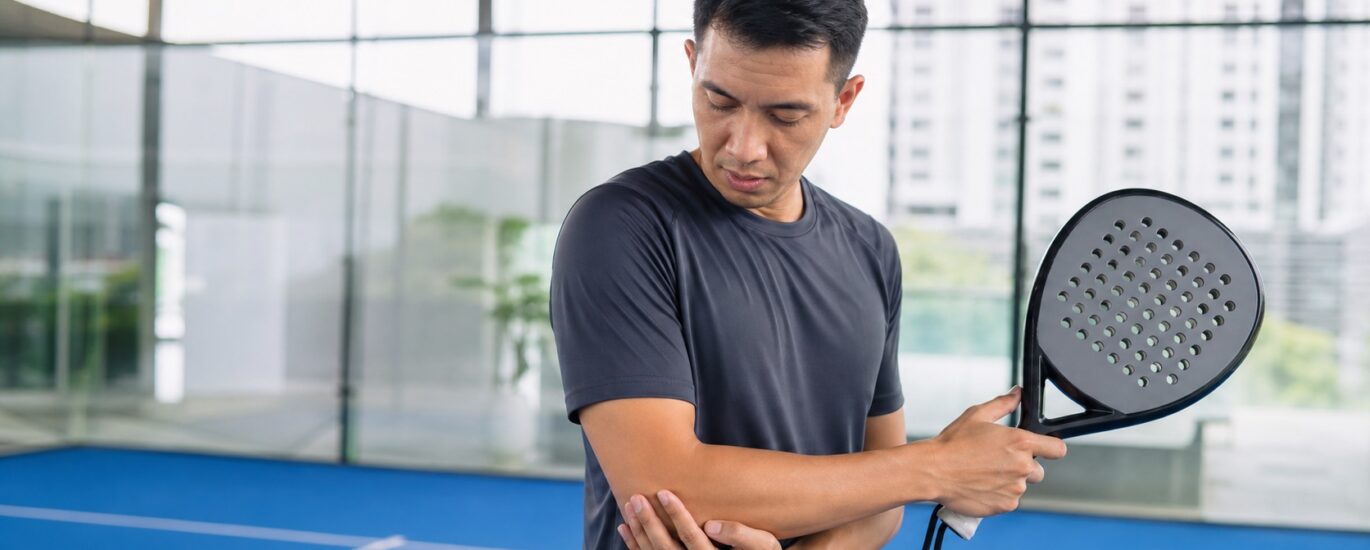
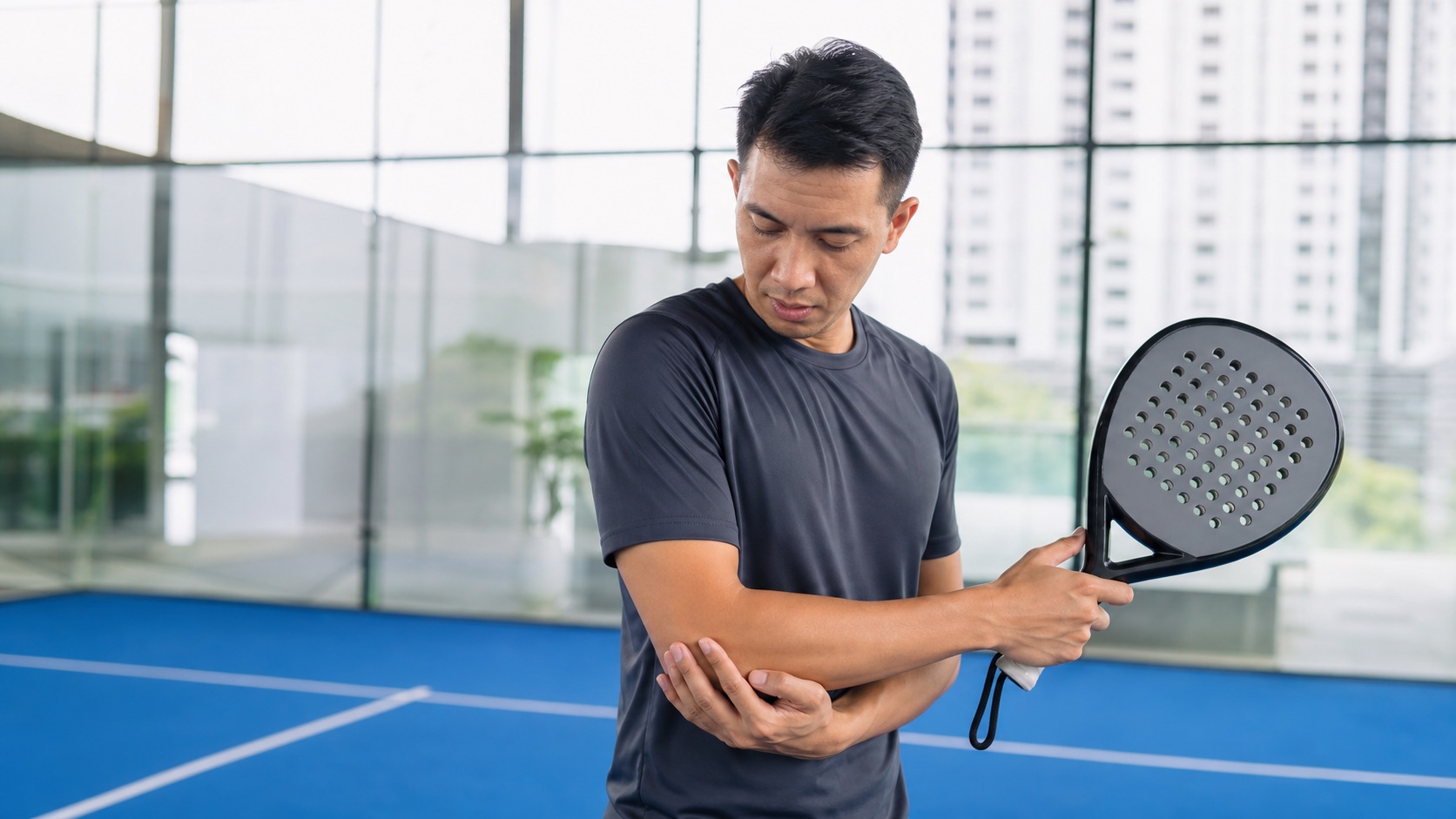
Your elbow may hurt after pickleball or padel because repeated gripping, backhand strokes, wrist extension, tight racket grip, or sudden increases in playing time can overload the outer elbow tendon. At One Spine TTDI near PJ, we assess your elbow, wrist, grip strength, shoulder control, neck, playing load, racket habits, and red flags before recommending shockwave therapy, physiotherapy, chiropractic care, rehabilitation, or referral.
Quick answer: Elbow pain after pickleball or padel is commonly linked to tennis elbow-like tendon overload, but the neck, shoulder, wrist, nerve, or playing load can also contribute. One Spine TTDI assesses pickleball and padel elbow pain for patients from PJ, TTDI, Damansara, Mont Kiara, Bangsar, and nearby Kuala Lumpur before recommending care.
1How pickleball or padel can irritate the elbow
More games, less recovery
Playing longer sessions or consecutive days can increase tendon load quickly.
Tight grip and backhand strain
Repeated gripping and wrist extension can stress the outer elbow tendon.
Wrist, shoulder or neck contribution
Weak shoulder control, wrist stiffness, or neck referral can keep symptoms active.
Pain with gripping or lifting
The elbow may hurt with racket play, jars, bags, gym work, or desk tasks.
Why does my elbow hurt after pickleball or padel?
Pickleball and padel can feel easier than tennis at first, so players may increase playing time quickly. The elbow may then receive repeated gripping, wrist extension, backhand strokes, volleys, quick reactions, and impact through the racket.
Common reasons include playing too many sessions close together, gripping the racket too tightly, using a racket that does not suit your strength or technique, poor recovery, weak wrist and shoulder control, and continuing to play through early pain.
Is pickleball elbow the same as tennis elbow?
Often, yes. The pain pattern may behave like tennis elbow, also called lateral epicondylitis or lateral elbow tendinopathy. This usually refers to pain around the outer elbow where the wrist and finger extensor tendons attach.
But not every elbow pain is tennis elbow. Elbow pain after racket sport can also come from the joint, nerve irritation, neck referral, shoulder overload, a sudden strain, or inflammatory conditions. That is why assessment matters.
Likely tendon pattern
Outer elbow pain with gripping, lifting, backhand strokes, opening jars, or resisted wrist extension.
Possible nerve pattern
Tingling, numbness, burning, symptoms travelling down the arm, or hand weakness.
Medical review first
Trauma, severe swelling, redness, fever, locking, major weakness, or progressive numbness.
What does One Spine assess before recommending care?
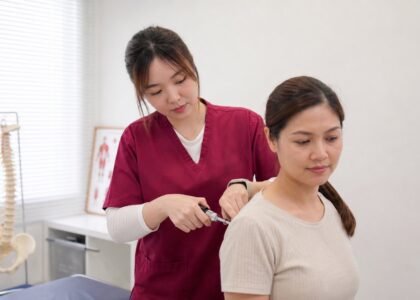
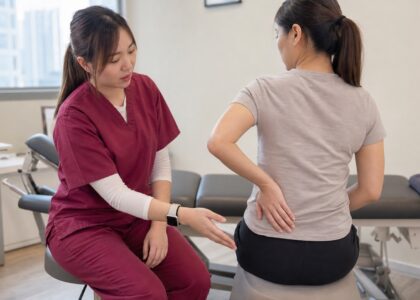
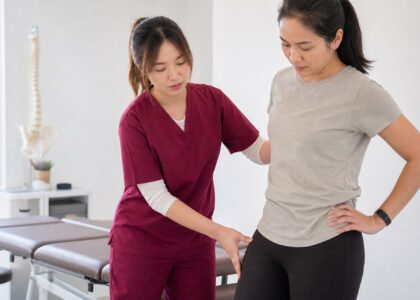
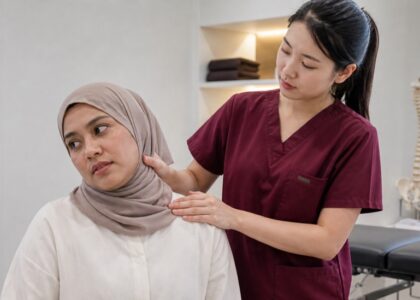
We avoid treating the elbow as an isolated sore spot. A racket-sport elbow assessment may include:
- Your pickleball or padel playing frequency, session length, recent increase in games, and recovery pattern
- Outer elbow tendon sensitivity and pain with gripping, lifting, twisting, or resisted wrist extension
- Grip strength, wrist mobility, forearm strength, and tendon load tolerance
- Shoulder blade control, shoulder strength, and upper limb movement pattern
- Neck posture, spinal mobility, and nerve-related signs if symptoms travel or tingle
- Desk work, mouse use, gym load, manual tasks, and daily gripping habits outside sport
- Red flags or health factors that may make shockwave unsuitable
Can shockwave therapy help pickleball or padel elbow?
Shockwave therapy may help selected chronic tennis elbow or lateral elbow tendon pain cases, especially when symptoms keep returning despite rest, stretching, massage, braces, or exercise changes. It is not a guaranteed fix and should not replace assessment.
At One Spine, shockwave may be combined with physiotherapy support, strengthening, tendon loading advice, wrist and shoulder rehab, chiropractic-led assessment, ergonomic changes, or playing-load modification where suitable.
2How shockwave fits into a better elbow plan
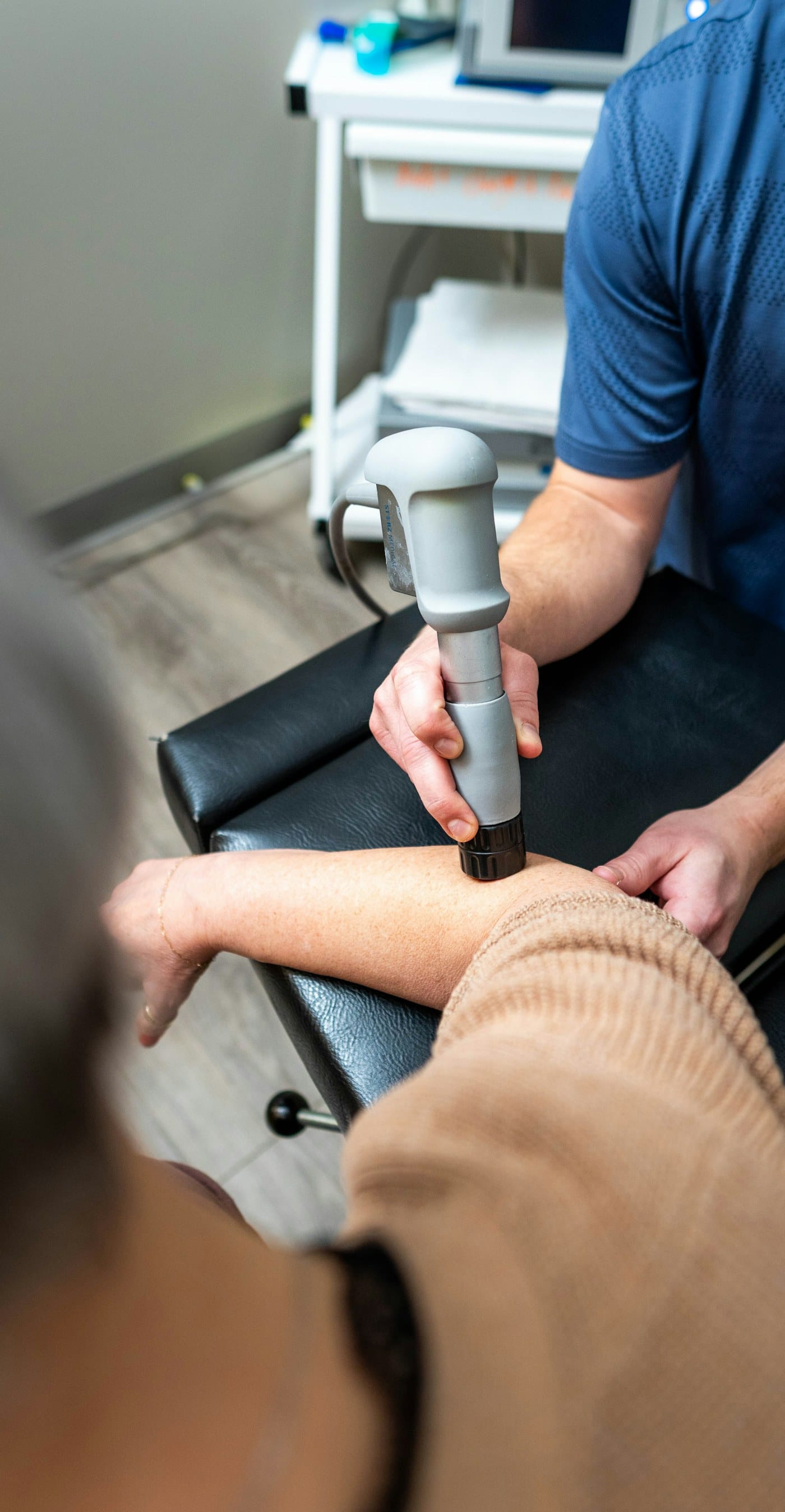
We first check whether the elbow behaves like tendon overload, nerve irritation, joint pain, or referred neck symptoms.
Shockwave may help selected chronic tendon-related cases by supporting pain reduction and grip function over time.
Grip strength, wrist control, shoulder stability, technique, and playing schedule usually need to be addressed too.
Shockwave alone
May reduce tendon sensitivity, but pain can return if the same grip load, technique, or recovery problem continues.
Shockwave plus rehab
More complete because it targets sensitivity, grip strength, wrist loading, shoulder control, and return-to-play habits.
What does the research say?
Padel injury research reports that elbow injuries are common, and tendon or muscle-related problems are frequently described. Pickleball research also links upper limb injury risk with longer sessions, frequent play, consecutive playing days, tight grip, higher playing volume, and chronic overuse patterns.
For tennis elbow specifically, shockwave research is mixed but suggests it may improve pain and grip strength in selected chronic cases. Some reviews suggest steroid injection may perform better in the very short term, while shockwave may show better medium-term results in some trials. This is why we keep the wording realistic: shockwave may help selected patients, but the right plan depends on assessment.
Can shockwave therapy help if the elbow pain is tendon-related?
Yes, shockwave therapy can be a useful option for selected chronic tennis elbow-like cases, especially when the main problem is outer elbow tendon overload and pain keeps returning with gripping, lifting, racket play, or desk work. The research is not saying shockwave works for everyone. It is saying the best results are more likely when the painful elbow fits the right tendon pattern and the treatment is paired with load management and rehabilitation.
This matters for pickleball and padel players because the elbow is rarely irritated for one reason only. A tight grip, repeated backhand strokes, sudden increase in playing time, weak wrist extensors, poor shoulder control, racket load, and recovery habits can all keep the tendon sensitive. If these factors are not addressed, any treatment may give only temporary relief.
| What research suggests | How One Spine applies this clinically |
|---|---|
| A 2020 meta-analysis of 13 randomized trials involving 1,035 patients found shockwave therapy was associated with better pain scores and grip strength in lateral epicondylitis. | We consider shockwave when assessment suggests a tendon-related tennis elbow pattern, especially when grip strength and daily function are affected. |
| A 2022 network meta-analysis of 40 randomized trials ranked shockwave highly for grip strength recovery among several conservative options. | This is relevant for pickleball and padel players who struggle with racket grip, lifting a bottle, opening jars, carrying bags, or gym exercises. |
| A 2024 review comparing shockwave with corticosteroid injection found injection performed better at 1 month, while shockwave showed better pain and grip outcomes at 3 and 6 months. | For players who want to return to sport with better tendon tolerance, medium-term function matters more than only short-term pain relief. |
| Some reviews report smaller benefits or mixed results, especially when patient selection, shockwave settings, and symptom duration vary. | That is why One Spine does not recommend shockwave just because the elbow hurts. We first check whether the elbow, wrist, shoulder, neck, and playing load match the right clinical picture. |
Practical One Spine view: shockwave is most convincing when it is not used alone. For pickleball or padel elbow, we first identify whether the pain is tendon-related, then we build a plan around the reason the tendon is overloaded. That may include shockwave therapy, grip and wrist loading exercises, shoulder control work, playing-load changes, desk-work advice, chiropractic assessment, physiotherapy support, or referral when needed.
| Question patients ask | Clear answer |
|---|---|
| Why does my elbow hurt after pickleball or padel? | Repeated gripping, backhand load, wrist extension, tight grip, fast increase in playing time, or poor recovery may overload the outer elbow tendon. |
| Is it always tennis elbow? | No. Tennis elbow is common, but the neck, nerve, shoulder, wrist, joint, or injury history may also contribute. |
| Can I continue playing? | It depends on pain severity and assessment findings. Many patients need temporary load changes, technique changes, strengthening, or care before returning fully. |
| Can shockwave help? | It may help selected tendon-related cases, especially chronic or recurring outer elbow pain, but results vary. |
Should you stop playing pickleball or padel?
Not always. Some patients can continue with reduced intensity, shorter sessions, more rest days, different drills, grip changes, or avoiding painful strokes temporarily. Others should pause if pain is worsening, grip strength is dropping, or symptoms continue after play.
The goal is to reduce irritation while rebuilding tolerance. Playing through pain every session usually makes the tendon harder to calm down.
When should elbow pain be medically reviewed?
Seek medical review if elbow pain follows a fall or direct injury, comes with severe swelling, redness, fever, locking, inability to straighten the elbow, major weakness, progressive numbness, unexplained weight loss, or worsening night pain. These signs may need medical assessment before chiropractic care, physiotherapy, shockwave therapy, or rehabilitation.
Related Pages
FAQ
Where can I get treatment for pickleball elbow pain near PJ or TTDI?
One Spine Chiropractic & Physiotherapy Centre in TTDI assesses pickleball and padel-related elbow pain for patients near PJ, Damansara, Mont Kiara, Bangsar, and Kuala Lumpur. We assess first before recommending shockwave therapy, physiotherapy, chiropractic care, rehabilitation, or referral.
Is pickleball elbow the same as tennis elbow?
It can be. Many pickleball and padel elbow cases behave like tennis elbow, where the outer elbow tendon is irritated by gripping and wrist extension. However, nerve, neck, shoulder, wrist, or joint factors can also contribute.
Can shockwave therapy help elbow pain from pickleball or padel?
Shockwave therapy may help selected tendon-related tennis elbow cases, especially if pain has lasted for weeks or months. Suitability depends on assessment findings and results vary.
How long should I rest from pickleball or padel?
It depends on pain severity, irritability, grip strength, and whether symptoms settle after play. Some patients only need load changes; others may need a temporary break and graded return plan.
Do I need physiotherapy exercises for pickleball elbow?
Often, yes. Exercises may help restore wrist, forearm, shoulder, and tendon load tolerance. The exercise plan should match your pain level and stage of recovery.
Reviewed by Ivy Ting from One Spine Team
This article is for education only and does not replace medical diagnosis, emergency care, or a personal assessment. Suitability for shockwave therapy, chiropractic care, physiotherapy, or rehabilitation depends on assessment findings. Results vary.
References
- Incidence, prevalence and nature of injuries in padel: a systematic review.
- Risk of Upper Extremity Injury in Recreational Pickleball Players.
- Factors Associated With Lateral Epicondylitis of the Elbow.
- Efficacy of Extracorporeal Shock Wave Therapy for Lateral Epicondylitis: A Systematic Review and Meta-Analysis.
- Shock Wave Therapy Versus Local Corticosteroid Injection for Chronic Lateral Epicondylitis.
Book an Elbow Pain Assessment in TTDI
If elbow pain started after pickleball or padel and keeps returning, start with an assessment before deciding whether shockwave therapy is suitable.