Patient guide | Back Pain / Muscle Spasm / Disc / Sciatica
Why Does My Lower Back Keep Going Into Spasm?
Lower back spasm that keeps coming back is often a protective muscle response, not just a “tight muscle” problem. It may be linked to muscle strain, joint irritation, disc sensitivity, nerve irritation, sitting load, lifting habits, stress, or poor recovery. At One Spine TTDI in Kuala Lumpur near PJ, we assess the pattern before recommending chiropractic care, physiotherapy, rehabilitation, imaging referral, or medical review.
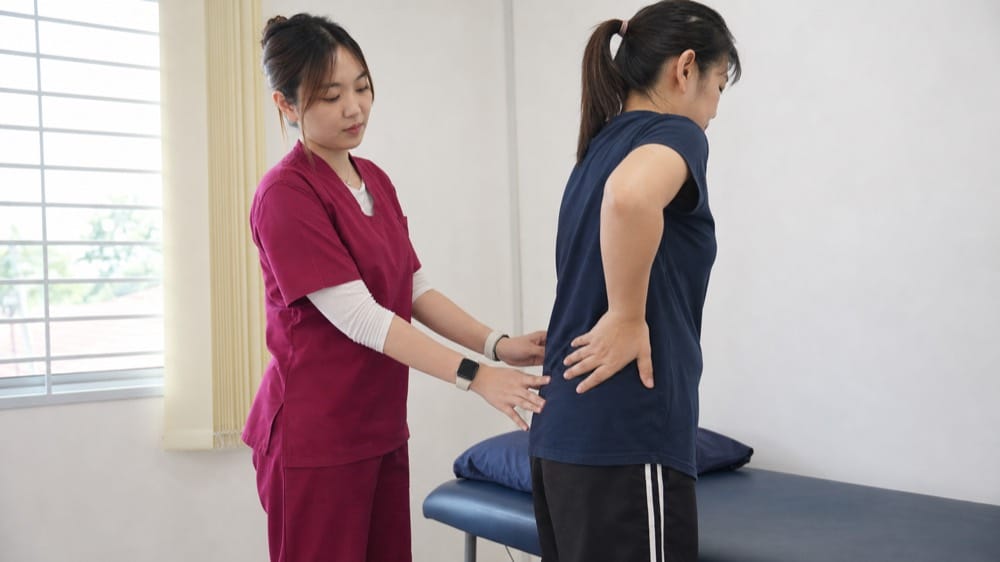
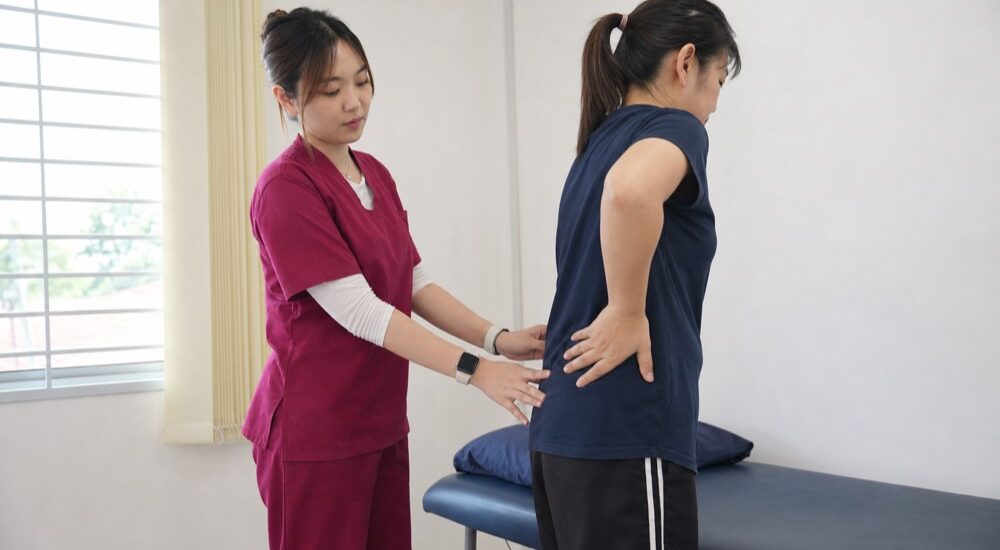
Quick answer: lower back spasm usually happens when muscles tighten to protect an irritated area. If it keeps returning after sitting, bending, lifting, gym training, or sleep, the driver may involve the lower back joints, discs, nerves, hips, pelvis, movement control, or recovery habits. Assessment matters because stretching or massage alone may not address the trigger.
When lower back spasm should be medically reviewed
Seek urgent medical review if the spasm comes with bladder or bowel changes, numbness around the groin or saddle area, worsening leg weakness, symptoms affecting both legs, fever, major trauma, unexplained weight loss, cancer history, or severe night pain that does not ease.
What is a lower back muscle spasm?
A muscle spasm is an involuntary tightening or contraction of a muscle. In the lower back, it can feel like a sharp lock, a deep cramp, a sudden pull, or a protective stiffness that makes standing, sitting, bending, or walking difficult.
Spasm is a symptom. It tells us the body is trying to limit movement, but it does not automatically tell us why. That is why recurring spasm needs a pattern-based assessment rather than only pain relief.
Why does my lower back keep going into spasm?
Recurring spasm usually means the back keeps meeting the same trigger. The trigger may be obvious, such as lifting something heavy, or subtle, such as sitting for long hours and then bending forward quickly. Common contributors include:
- Muscle strain or overload: after sudden lifting, twisting, sport, gym training, or fatigue.
- Spinal joint irritation: when certain lower back movements feel blocked, sharp, or painful.
- Disc sensitivity: often worse with sitting, bending, coughing, sneezing, or lifting in some people.
- Nerve irritation: when pain travels into the buttock, thigh, calf, or foot with tingling, numbness, or weakness.
- Hip, pelvis, or movement-control issues: where the lower back repeatedly compensates for poor load sharing.
- Stress, low sleep, and poor recovery: which may increase muscle tension and pain sensitivity.
| Possible driver | What it may feel like | Common trigger | What One Spine checks first |
|---|---|---|---|
| Muscle strain | Local soreness, cramping, tightness, tender muscles. | Sudden lift, gym load, sport, fatigue. | Mechanism, movement tolerance, strength, recovery. |
| Joint irritation | Sharp catch, blocked movement, pain with arching or twisting. | Bending, turning, standing up, awkward sleep. | Lumbar and pelvis movement, hip mobility, load pattern. |
| Disc sensitivity | Pain worse with sitting or bending; may travel into the leg. | Long sitting, driving, lifting after sitting. | Disc-related symptom pattern, nerve signs, red flags. |
| Nerve irritation | Tingling, numbness, burning, weakness, or leg pain. | Sitting, bending, coughing, sneezing, walking in some cases. | Strength, reflexes, sensation, nerve tension signs. |
| Hip or movement-control issue | Back repeatedly locks during squats, lifting, stairs, or training. | Repeated load, poor hip control, return to exercise. | Hip range, core control, glute strength, movement strategy. |
Why does spasm happen after sitting for long hours?
Long sitting can reduce movement variety and increase sensitivity in the lower back, hips, and surrounding muscles. For some people, the problem is not sitting alone. It is sitting for hours, then suddenly bending, lifting, driving, standing up quickly, or training when the back is already stiff.
If sitting regularly triggers back spasm or leg symptoms, it is worth checking whether the pattern behaves more like muscle guarding, joint irritation, disc sensitivity, or nerve involvement. Our related guide on slipped disc anatomy and long sitting explains this in more detail.
Should I stretch when my lower back spasms?
Gentle movement may help some people, but aggressive stretching is not always the right first step. If the spasm is linked to disc or nerve sensitivity, forcing the painful direction may make symptoms worse. A safer approach is to notice what your back tolerates: short walks, comfortable positions, light movement, and avoiding repeated painful bending may be more useful in the early phase.
If stretching increases pain, causes leg symptoms, or makes the back lock harder, stop and get assessed.
Patient takeaway: if your back keeps “locking up,” the useful question is not only how to relax the muscle. It is why the muscle keeps feeling the need to protect the area.
What does One Spine assess before recommending care?
At One Spine TTDI, we assess before recommending chiropractic care, physiotherapy, rehabilitation, imaging referral, or medical review. For recurring lower back spasm, assessment may include:
- Your spasm history, triggers, sitting tolerance, work habits, gym load, sleep, and previous treatment response
- Lower back, pelvis, hip, and leg movement
- Whether symptoms behave like muscle, joint, disc, or nerve-related pain
- Strength, sensation, reflexes, and nerve tension tests where relevant
- Squat, bend, hinge, walking, or sport-related movement patterns
- Red flag screening before deciding whether care is suitable
What care options may help?
Care depends on the assessment. Some patients may benefit from chiropractic care for joint mobility and pain modulation. Others may need physiotherapy, movement retraining, hip and core rehabilitation, ergonomic changes, gradual return-to-gym planning, or medical review first. We may combine chiropractic, physiotherapy, and rehabilitation when suitable.
Results vary. The goal is not to promise that spasm will never happen again, but to identify the likely trigger, reduce sensitivity, improve movement tolerance, and give you a clearer plan for daily life.
Useful internal links
Medical references
These references support the general discussion about back spasm, back pain, red flags, and conservative care. They do not replace personal medical advice.
FAQ
Why does my lower back keep going into spasm?
Recurring lower back spasm may happen when muscles repeatedly guard an irritated area. Possible drivers include muscle strain, joint irritation, disc sensitivity, nerve irritation, sitting load, lifting habits, stress, low movement variety, or poor recovery. Assessment is needed because these causes can overlap.
Should I stretch when my back is in spasm?
Gentle movement may help some people, but aggressive stretching can aggravate certain disc or nerve-related patterns. If stretching increases pain, leg symptoms, numbness, or locking, stop and get assessed.
Can lower back spasm be from a slipped disc?
It can be, but not every back spasm is a slipped disc. Disc-related pain may be more sensitive to sitting, bending, coughing, sneezing, or lifting, and may travel into the leg. Clinical assessment helps decide whether a disc or nerve pattern is likely.
Where can I get lower back spasm assessed near TTDI, KL, or PJ?
One Spine Chiropractic & Physiotherapy Centre is located in TTDI, Kuala Lumpur, near PJ, Damansara, Mont Kiara, and Bangsar. We assess your pain pattern, movement, nerve signs, red flags, and daily load before recommending care.
Book a Lower Back Spasm Assessment
If your lower back keeps locking up after sitting, bending, lifting, sleep, or gym training, start with an assessment-first visit at One Spine TTDI.
This article is for education only and is not a diagnosis. Lower back spasm causes, imaging needs, and care suitability depend on individual assessment. Seek urgent medical care for severe, sudden, worsening, or unusual symptoms.
Useful next step
Repeated lower-back spasm needs a wider look at triggers and recovery
Spasm can be protective after irritation, fatigue or overload. If it keeps returning, assessment should review work posture, lifting, training, hip movement, sleep, stress, nerve signs and red flags before choosing care.